Talk to us,Get a Solution in 20 minutes
Please let us know any requirements and specific demands,then we work out the solution soonest and send back it for free.
Please let us know any requirements and specific demands,then we work out the solution soonest and send back it for free.
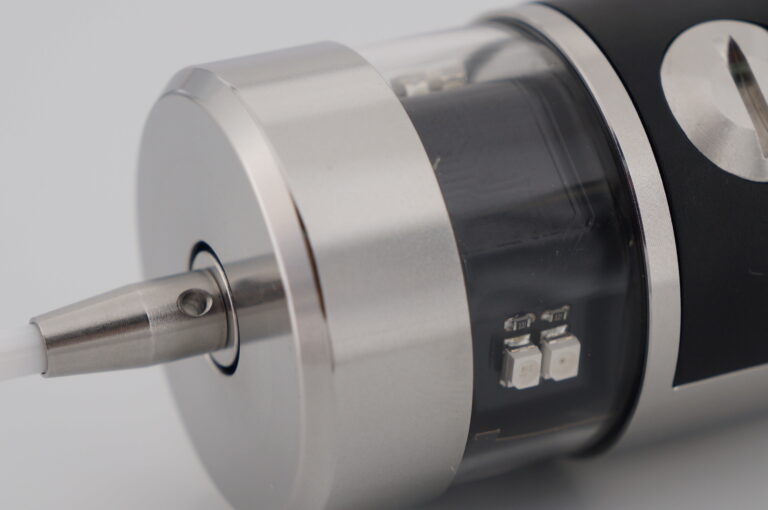
If you’ve spent any time on a CNC mill, you know this moment: you’re about to start a job, your vise is bolted down… but is it actually square to the machine axes? You could spend time with indicators, feelers, stones, and edge finders — and some seasoned machinists can get very good with those tools — but there’s a smarter way that combines confidence, repeatability, and automation: using a CNC probe to square your vise.
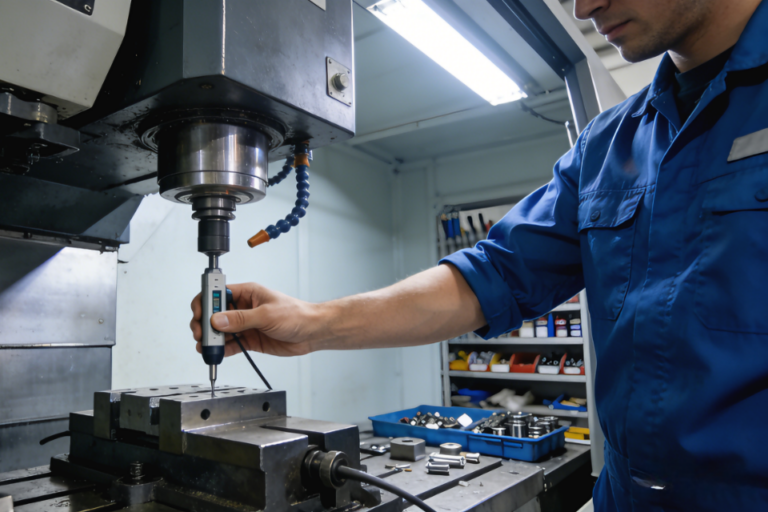
If you’ve ever milled what should be a flat surface and noticed tiny ridges, subtle slopes, or inconsistent depths — even though your CAM looked perfect — you’ve just met tramming error. This is where the spindle isn’t truly perpendicular to the table or fixture, and every cut carries that error into the finished part. Fixing this isn’t just “nice to have” — it’s foundational to reliable machining.

A CNC probe isn’t just a fancy sensor you occasionally use to set up workpieces. When properly calibrated, it becomes one of the most powerful tools in your shop — saving time, reducing scrap, improving first-article success, and making setup and inspection predictable instead of guesswork.
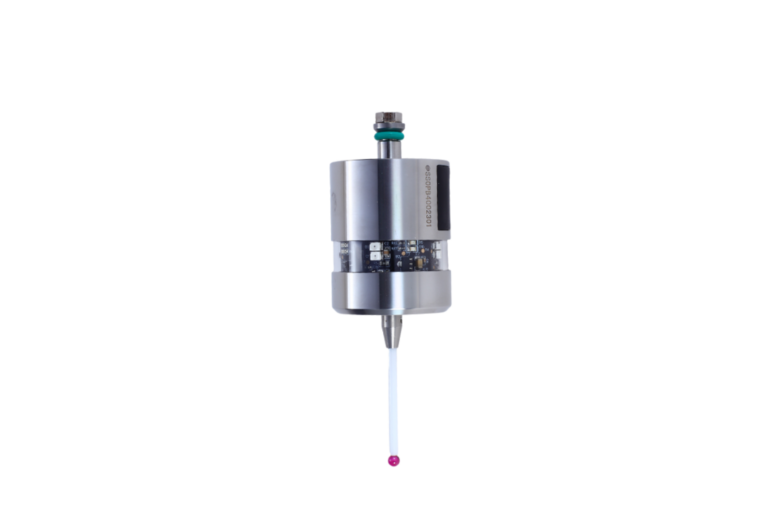
A CNC touch probe turns guesswork into measurements—so you find datums, rotation, centers, and drift in minutes, not by trial, re-cut, and hope.