تحدث إلينا، احصل على الحل في 20 دقيقة
يُرجى إعلامنا بأي متطلبات ومطالب محددة، ثم نعمل على إيجاد الحل في أقرب وقت ونرسله مجانًا.
يُرجى إعلامنا بأي متطلبات ومطالب محددة، ثم نعمل على إيجاد الحل في أقرب وقت ونرسله مجانًا.
يعد العثور على 0،0،0،0 موثوق به على ماكينة التحكم الرقمي الخاصة بك - النقطة التي تلتقي فيها X وY وZ - إحدى الخطوات الحقيقية الأولى للتصنيع الآلي الدقيق. سواءً كنت تقوم بتصنيع الماكينات لمرة واحدة أو عمليات الإنتاج، فإن تثبيت الصفر يعني أن برنامجك سيصل إلى الميزات في المكان الذي ينبغي أن يصل إليه. تقليديًا، كان المشغلون يستخدمون مكتشفات الحواف أو المؤشرات أو المحاذاة البصرية البسيطة. ولكن مع المجس اللمسي والنهج الصحيح - باستخدام الألواح والأقراص وإجراءات السبر - ستحصل على الدقة والتكرار والثقة في كل مرة.
لا يتعلق الأمر بحفظ ماكرو - بل يتعلق بفهم سبب استخدامنا لأدوات وتسلسلات محددة، وكيفية التفكير كشخص يثق في آلته بدلاً من التخمين.
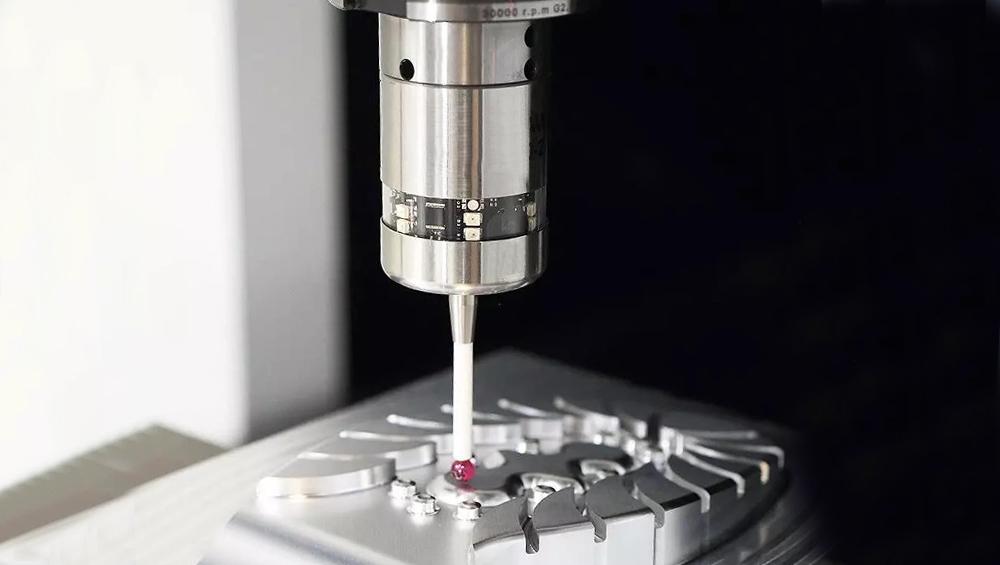
في أبسط العبارات، فإن التصفير هو تحديد نقطة معروفة على قطعة العمل - عادةً ما تكون الزاوية أو المركز أو السطح الذي سيرجع إليه باقي البرنامج. تصبح هذه النقطة أساس نظام إحداثيات عملك (G54، G55، إلخ). إذا كانت هذه النقطة بعيدة ولو ببضعة آلاف من الأجزاء من الألف، فإن كل حركة بعدها تضاعف هذا الخطأ. مع المسبار، لا يعد التصفير تخمينًا، بل بيانات مقيسة.
معرفة المزيد عن أجهزة ضبط الأدوات بالليزر بنظام التحكم الرقمي باستخدام الحاسوب مجس التصنيع باستخدام الحاسب الآلي.
لوحة المسبار هي لوحة معدنية دقيقة توضع على طاولة الماكينة أو على قطعة العمل الخاصة بك. وهي تعطي سطحًا معروفًا يمكن التنبؤ به وتستخدمه لإيجاد الصفر Z (تحديد ارتفاع الشُّغْلَة). نظرًا لأن سُمك اللوح معروف ومتسق، فبمجرد أن يقوم المجس بالتلامس، يمكن لوحدة التحكم تلقائيًا حساب موقع السطح الحقيقي باستخدام قيمة سُمك اللوح المدخلة في روتين السبر الخاص بك.
هذا نهج معتمد على نطاق واسع للأسباب التالية:
في الممارسة العملية، تقوم بتشغيل دورة سبر تخفض الأداة لتلامس الصفيحة، وتسجل نقطة التلامس، ثم تقوم بإزاحة Z صفر بناءً على سُمك الصفيحة المعروف.
استكشف مجسات اللمس المعيارية CNC مجس التصنيع باستخدام الحاسب الآلي.
قرص السبر هو عبارة عن كتلة صلبة - غالبًا ما تكون مغناطيسية أو مثبتة في مكانها - تُستخدم للإشارة إلى مواضع X و Y. وهي مفيدة بشكل خاص في:
لماذا كرات الصولجان؟ فكّر في الأمر على النحو التالي: إذا كان الهدف هو إيجاد الصفر X وY، فأنت تسأل بشكل أساسي “أين تقع هذه النقطة المعروفة بالنسبة إلى عالم آلتي؟ باستخدام القرص يمكنك الاقتراب منه من محاور مختلفة، وسبر سطحه، واستخدام هذه المواضع المقيسة لتحديد الصفر X/Y الحقيقي رياضيًا.
هذا النهج يزيل الكثير من التفسير اليدوي الذي تتطلبه أجهزة تحديد الحواف (كما تعلم، حيث تزحف ببطء حتى يتحرك القرص) من خلال السماح للآلة بتحسس وتسجيل النقاط الدقيقة.
تحقق من مجسات اللمس السلكية للإرسال باستخدام الحاسب الآلي الرقمي CNC مجس التصنيع باستخدام الحاسب الآلي.
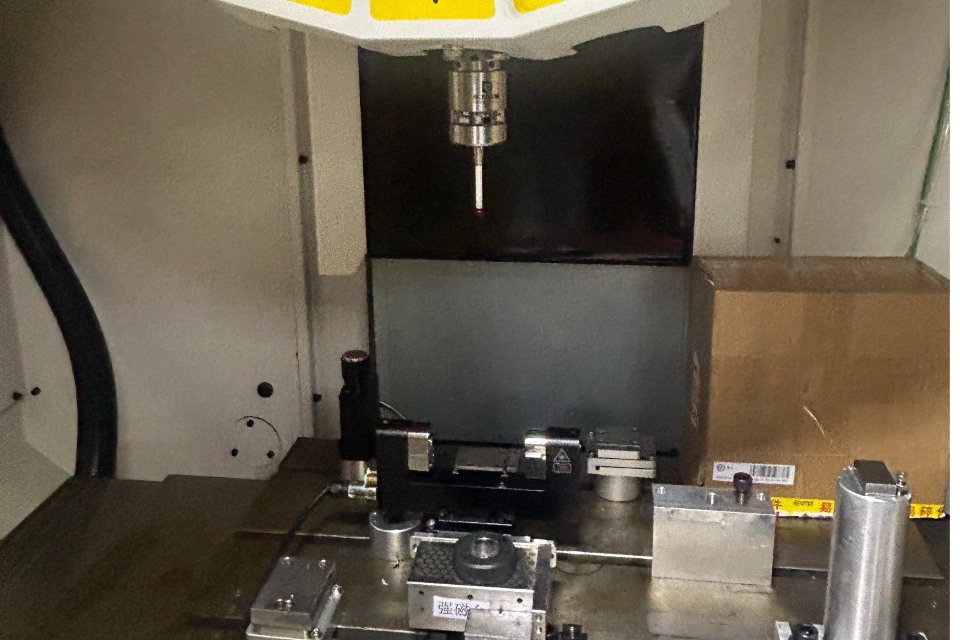
بالنسبة للعديد من أنظمة السبر - سواءً كنت تستخدم وحدة تحكم مخصصة أو وحدات ماكرو عملية - تتبع هذه الإجراءات الروتينية تسلسلًا يعكس نمط التفكير الشائع في أرضية المتجر:
ضع اللوحة على التَرْكِيبة أو المخزون وثبتها بحيث لا تتحرك. تأكد من أن القرص أو اللوح نظيف وأن الوصلة إلى مدخل المسبار صلبة.
هذا الأمر يشبه ضبط آلتك الموسيقية قبل العزف - إذا كان المرجع غير مستقر، فإن كل ما يلي ذلك سيكون غير موثوق به.
يبدأ تسلسل السبر النموذجي في العديد من وحدات التحكم (خاصةً البرامج التي تعمل بالماكرو أو برامج التحكم الرقمي باستخدام الحاسب الآلي مع دعم السبر) بالخفض حتى يلامس المسبار اللوحة أو سطح الجزء.
وهذا يحدد الارتفاع الأساسي.
تبدو عادةً مثل:
الفكرة هنا بسيطة: حدد مكان الجزء العلوي من قطعة العمل أولاً. بدون ذلك، لا يمكنك تعيين أصول X/Y بثقة لأن Z عائم في حالة عدم اليقين.
بمجرد معرفة Z، فإن الخطوات التالية تتعلق بـ X و Y:
يقلل هذا التسلسل من الخطأ الناجم عن انحراف الإبرة والمسبار قبل التنقل ومسبار ما قبل السفر ونفاد عمود الدوران. وبعبارة أخرى، من خلال قياس وجهين متعاكسين وقياس المتوسط، فإنك تسمح لقياس الماكينة بتحديد الصفر، وليس الإحساس البشري.
تعرّف على المزيد حول أجهزة ضبط الأدوات السلكية ذات المحور Z بنظام التحكم الرقمي مجس التصنيع باستخدام الحاسب الآلي.
قد تتساءل: “لماذا لا تكتفي بإيجاد الحافة أو النظر إليها بالعين؟”
وإليك الحقيقة الأعمق: تعتمد الطرق اليدوية على مهارة المشغِّل والتباين. قد يجد اثنان من الماكينات نفس الجزء على الحافة ويحصلان على اختلافات طفيفة. يقلل المسبار، مع الألواح والأقراص، من التفسير البشري ويتيح لأجهزة تشفير الماكينة إبلاغك بالإحداثيات الدقيقة.
في التصنيع الحديث، نسعى في التصنيع الحديث إلى الثقة وقابلية التكرار - بيانات قابلة للتكرار يمكن لأي مشغل تشغيلها والثقة بها.
زيارة الصفحة الرئيسية لمسبار CNC مجس التصنيع باستخدام الحاسب الآلي.
أحد الأسئلة التي تتردد كثيرًا في الممارسة العملية هو: “هل يجب أن أقوم بالتقصي مرة أخرى بعد تمريرة قطع مختلفة؟”
لا تكون الإجابة دائمًا بنعم، ولكن غالبًا ما تكون الإجابة حكيمة:
الفكرة الأعمق هنا: التقصي لا يتم مرة واحدة فقط. أنت تقوم بشكل أساسي بالتحقق من صحة مراجعك طوال العملية. عندما تفقد الثقة في المسند الخاص بك (تغيير الأداة، إزاحة التَرْكِيبة أو الاهتزاز)، قم بإجراء السبر مرة أخرى.
استكشف مجسات CNC عالية الدقة للقياس باستخدام الحاسب الآلي مجس التصنيع باستخدام الحاسب الآلي.
تعرّف على أجهزة ضبط الأدوات اللمسية السلكية الخماسية المحاور بنظام التحكم الرقمي باستخدام الحاسوب مجس التصنيع باستخدام الحاسب الآلي.
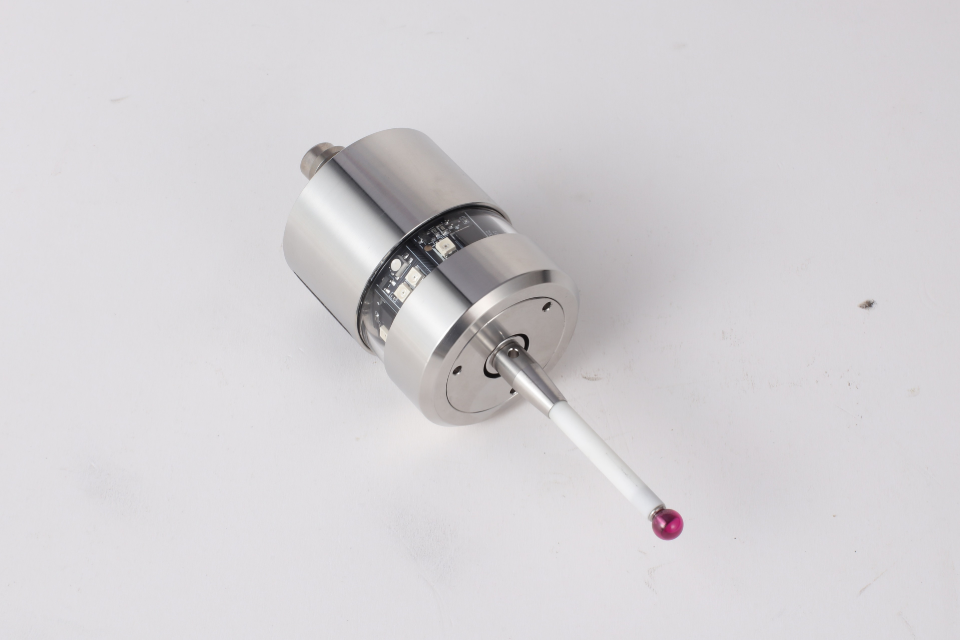
يفكر المشغلون المتمرسون في الأسطح والهندسة المرجعية - وليس فقط حركات كود G. ما تفعله حقًا مع السبر هو الإجابة عن هذه الأسئلة:
بمجرد تأطير التصفير بهذه الطريقة، يبدأ استخدام الألواح، والأقراص، والإجراءات الروتينية في أن يكون منطقيًا بشكل بديهي.
التصفير باستخدام مسبار ليس خدعة سحرية. إنها استراتيجية قياس ترتكز على نقاط تلامس يمكن التنبؤ بها وإحداثيات متسقة:
تصبح الماكينة جهاز قياس وليس مجرد ماكينة قطع. هذا هو الفرق بين الأمل في أن يكون إعدادك جيدًا ومعرفة أنه كذلك.