تحدث إلينا، احصل على الحل في 20 دقيقة
يُرجى إعلامنا بأي متطلبات ومطالب محددة، ثم نعمل على إيجاد الحل في أقرب وقت ونرسله مجانًا.
يُرجى إعلامنا بأي متطلبات ومطالب محددة، ثم نعمل على إيجاد الحل في أقرب وقت ونرسله مجانًا.
غالبًا ما نتحدث عن المجسّات وأجهزة ضبط الأدوات كما لو كانت قابلة للتبديل، أو نعتقد أن الجميع يعرف الفرق بينهما بطبيعته. ولكن على أرضية الورشة، يمكن أن يؤدي هذا الافتراض إلى حدوث ارتباك - خاصةً عندما تحاول أتمتة عمليات الإعداد، أو تقليل الخردة، أو الانتقال إلى التصنيع الآلي الخالي من الإضاءة.
لا تشرح هذه المدونة ما يفعله كل جهاز فحسب، بل تشرح أيضًا سبب وجودها، ومتى تستخدمها، وكيف يكمل بعضها بعضًا في سير عمل الماكينات الحقيقي.
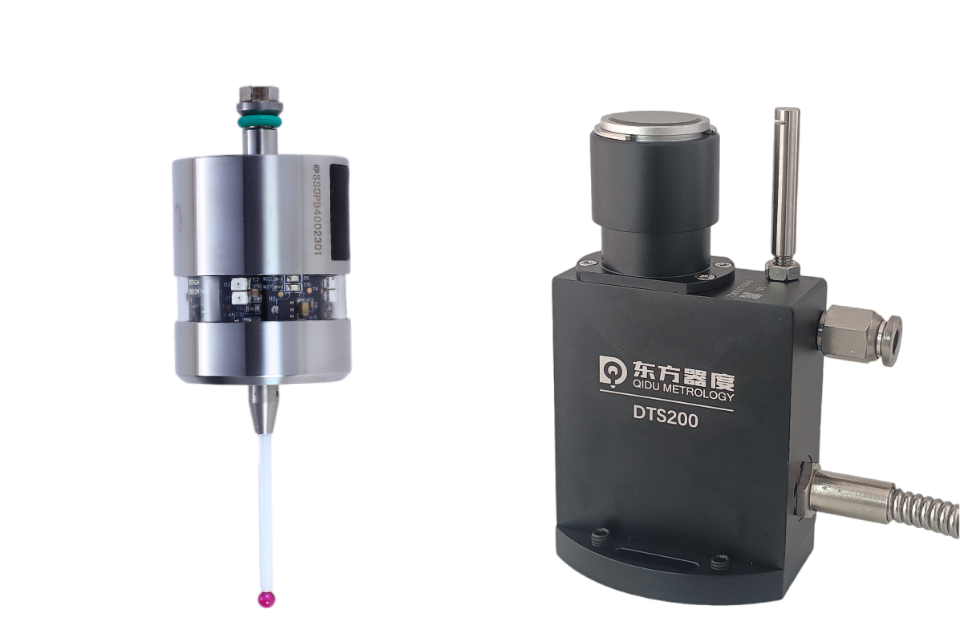
في لمحة سريعة، ينطوي كل من أدوات ضبط الأدوات ومسابير العمل على اتصال بين الماكينة والشيء الذي يتم قياسه. لكن محاور تركيزهما مختلفة اختلافًا جوهريًا:
أدوات ضبط الأدوات تتعلق بالأدوات نفسها - قياس الأطوال والأقطار والتآكل والكسر. فهي تساعد وحدة التحكم على فهم ماهية أداة القطع قبل إجراء القطع.
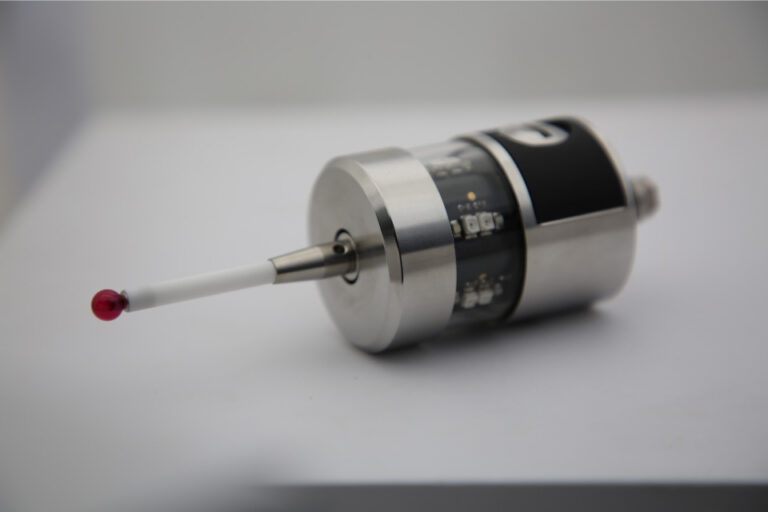
مجسات العمل (مجسات لمس الجزء) تتعلق بقطعة العمل - العثور على الموضع والاتجاه والميزات الرئيسية على مخزونك حتى تعرف الماكينة مكان الجزء في الفضاء.
أحدهما ينظر إلى الداخل إلى أدوات القطع الخاصة بالماكينة بنظام التحكم الرقمي. والآخر ينظر إلى الخارج إلى المواد التي توشك على تشغيل الماكينة. يخدمان غرضين منفصلين، ولكن كلاهما يغذي وحدة التحكم بالبيانات الأساسية حتى يتسنى لك تشغيل الماكينات بشكل متوقع.
تعرّف على المزيد عن أجهزة ضبط الأدوات الليزرية عالية الدقة بنظام التحكم الرقمي (CNC) مجس التصنيع باستخدام الحاسب الآلي.
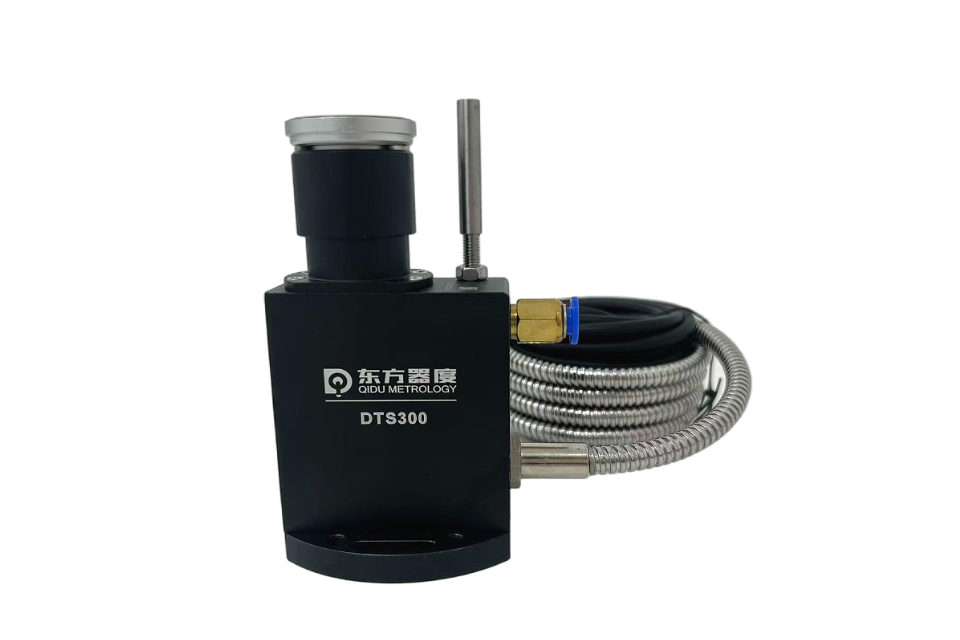
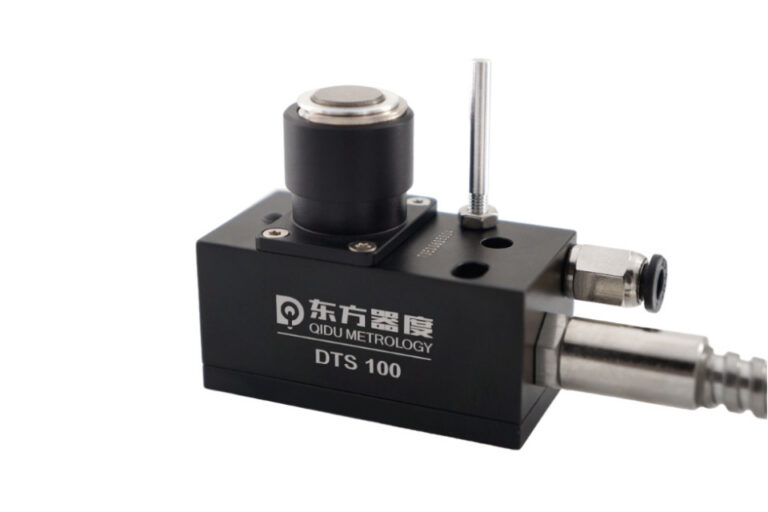
جهاز ضبط الأدوات (يُطلق عليه أحيانًا مسبار ضبط الأدوات أو جهاز ضبط الأدوات الأوتوماتيكي) هو جهاز أو مستشعر مصمم خصيصًا لقياس أداة القطع نفسها - بما في ذلك:
في بعض الأنظمة، حتى تعويض النمو الحراري أثناء التشغيل الآلي.
عادةً ما يتم تركيب أدوات الضبط على طاولة الماكينة أو ذراع ملحق. يتم وضع الأداة على تلامس مع جهاز الضبط، ويقوم جهاز الضبط بتوليد إشارة، ويستخدم عنصر التحكم الرقمي باستخدام الحاسب الآلي تلك الإشارة لحساب أبعاد الأداة وتخزينها.
يتم تغذية هذه البيانات مباشرة في:
باختصار: يقوم واضعو الأدوات بجعل الأدوات موثوقة قبل بدء القطع.
تحقق من مجسات اللمس المعيارية CNC مجس التصنيع باستخدام الحاسب الآلي.
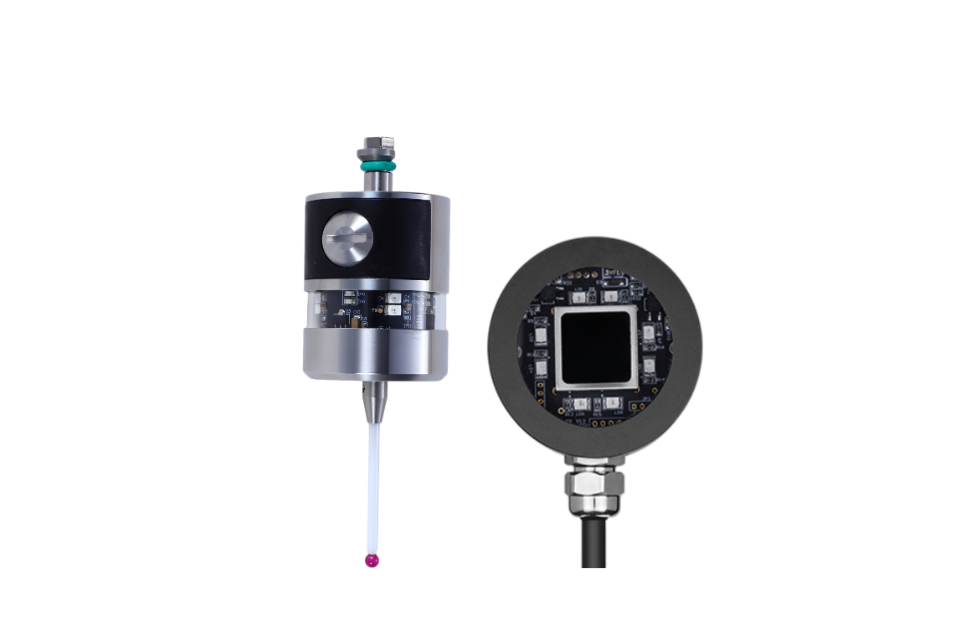
يتعلق مسبار اللمس بفهم موضع قطعة العمل وهندستها. عندما تقوم بتركيب قطعة جديدة، خاصةً إذا كانت
تحتاج إلى إخبار الماكينة بمكان وجود هذا الجزء فعليًا في مساحة XYZ. هذا هو المكان الذي يضيء فيه مسبار العمل.
يقوم مسبار العمل بذلك عن طريق:
بدلًا من الاعتماد على الافتراضات أو القياسات اليدوية، تتعلم الماكينة نفسها اتجاه الجزء وتعدل إحداثياته وفقًا لذلك.
استكشف أجهزة ضبط الأدوات السلكية أحادية المحور أحادية المحور بنظام التحكم الرقمي CNC مجس التصنيع باستخدام الحاسب الآلي.
فكّر في الأمر بهذه الطريقة:
يمكن أن يكون لديك قلم رصاص مثالي ومع ذلك ترسم خارج الصفحة إذا كانت نقطة البداية خاطئة.
وهذا هو بالضبط سبب أهمية الجمع بين الاثنين في سير العمل. لا يكفي أحدهما بمفرده من أجل التصنيع الآلي الدقيق - حيث إن أدوات ضبط الأدوات تجعل الأدوات دقيقة، ومسابير العمل تحدد موقع الجزء بدقة.
تحقق من مجسات اللمس السلكية للإرسال باستخدام الحاسب الآلي الرقمي CNC مجس التصنيع باستخدام الحاسب الآلي.
إليك نقطة دقيقة ولكنها مهمة يتغاضى عنها الكثير من البائعين: لا يحتاج كل متجر إلى كليهما في نفس الوقت، ولكن فهم السبب وراء كل منهما يحدد استثمارك وعملية الاستثمار.
يمكن لواضعي الأدوات تحديث عنصر التحكم تلقائيًا وتقليل إدخال البيانات والأخطاء اليدوية.
تعمل مجسات العمل على تبسيط عمليات الإعداد وضمان معرفة الماكينة بما هو موجود على الطاولة.
زيارة الصفحة الرئيسية لمسبار CNC مجس التصنيع باستخدام الحاسب الآلي.
يمكن أن تكون بعض أنظمة السبر متعددة الاستخدامات - مما يعني أن نفس أجهزة المسبار المادية قد تؤدي كلاً من إعداد الأداة وسبر العمل. وهذا أمر شائع بشكل خاص مع المجسات المثبتة على عمود الدوران التي يمكنها قياس كل من ميزات الأداة والجزء.
ولكن حتى في هذه الحالة، من المفيد التفكير في المهام بشكل منفصل:
يساعدك إبقاء هذا التقسيم الذهني واضحًا على بناء تدفقات عمل يمكن التنبؤ بها وتدقيقها - وليس التخمين.
استكشف مجسات CNC عالية الدقة للقياس باستخدام الحاسب الآلي مجس التصنيع باستخدام الحاسب الآلي.
تعرّف على أجهزة ضبط الأدوات اللمسية السلكية الخماسية المحاور بنظام التحكم الرقمي باستخدام الحاسوب مجس التصنيع باستخدام الحاسب الآلي.
إليك ما يحدث عندما
ستحصل على:
هذا النهج ثنائي البيانات هو ما يفصل بين الورش ذات الخبرة في الماكينات بنظام التحكم الرقمي عن الورش التي لا تزال تعتمد على مؤشرات الطلب اليدوية وأجهزة تحديد الحواف.
أجهزة ضبط الأدوات ومسابير العمل كلاهما يقيسان، لكنهما يقيسان حقائق مختلفة:
من خلال التفكير في هذه الفئات الواضحة والمتميزة - بدلاً من تجميعها معًا - يمكنك تصميم مهام سير عمل الماكينات التي تتسم بالكفاءة والموثوقية في آنٍ واحد، وليس فقط “مؤتمتة” بالاسم ولكن تعتمد على البيانات حقًا في الممارسة العملية.