Talk to us,Get a Solution in 20 minutes
Please let us know any requirements and specific demands,then we work out the solution soonest and send back it for free.
Please let us know any requirements and specific demands,then we work out the solution soonest and send back it for free.
If you’ve ever stood in front of a mill with a vise full of parts and a clock that’s already running late, you know this feeling: you just want to find your zero quickly, accurately, and repeatably—without second-guessing yourself.
This blog breaks down what each tool is actually good at, where each one bites you, and how to decide—job by job—what to use and when.
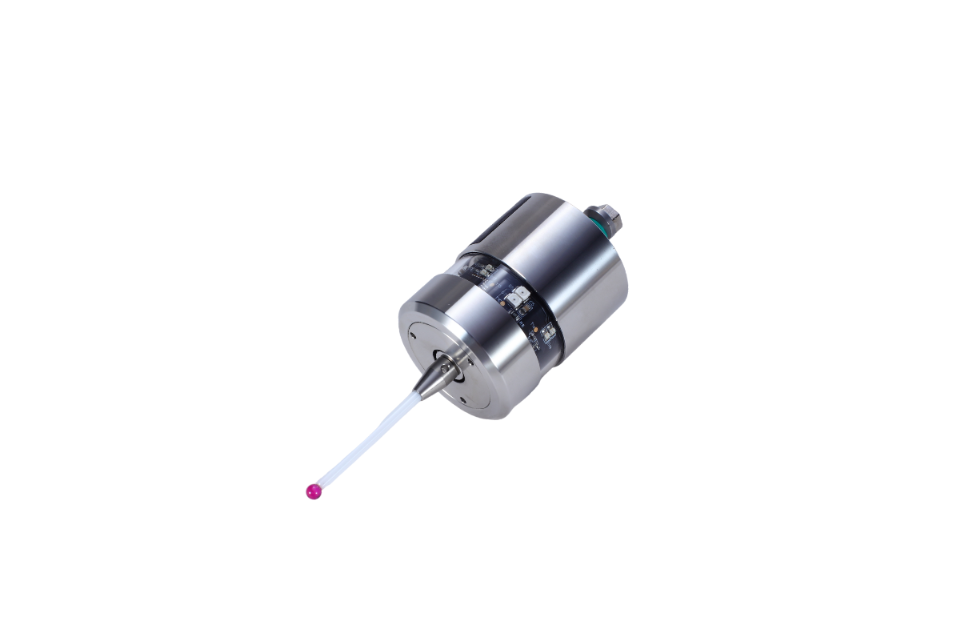
A CNC touch probe is a sensor that lets the machine “feel” a surface and record the exact position where contact happens. That contact point becomes measured data the control can use to:
Think of it as turning your CNC into a measuring device that can update coordinates automatically.
Learn more about CNC modular touch probes cnc-probe.
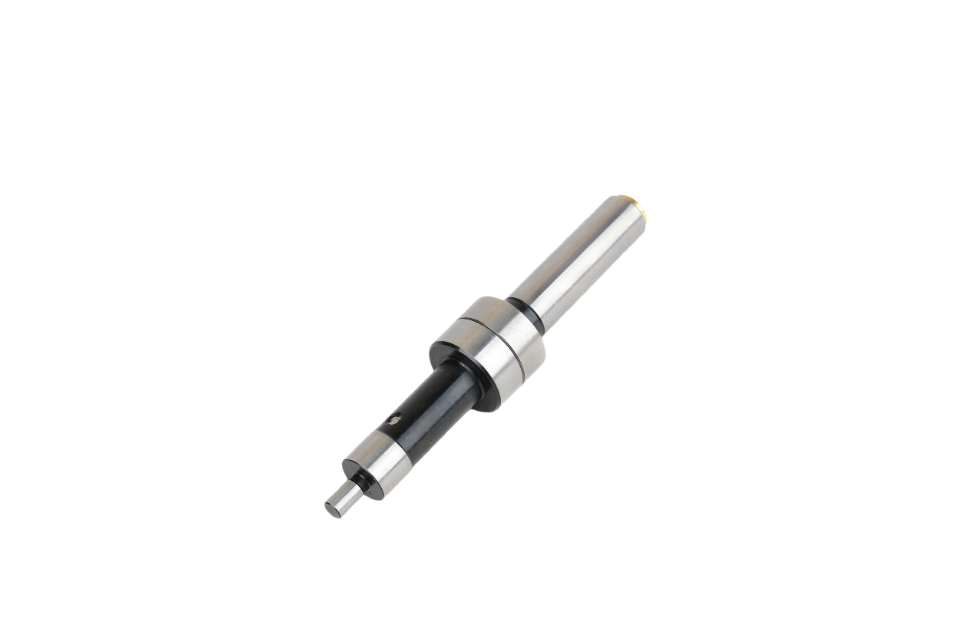
An edge finder is a manual or semi-manual tool (mechanical or electronic) used to locate an edge by “kicking” or signaling when it touches the workpiece. It’s usually used in:
Edge finders are simple, fast, cheap, and surprisingly accurate—when used correctly.
Discover more about CNC laser tool setters cnc-probe.
Most people compare them like this:
“Probes are more accurate. Edge finders are cheaper.”
That’s not wrong, but it misses the deeper point:
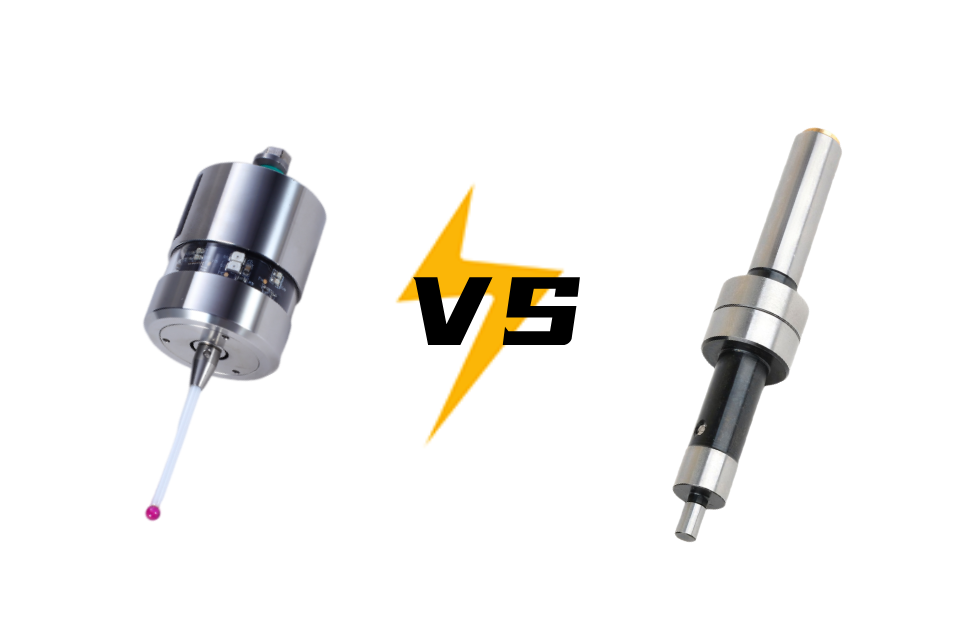
An edge finder is a human workflow tool: you are the measuring brain, the machine is the muscle.
A probe is a machine workflow tool: the machine measures, records, and applies results with minimal human interpretation.
So the best choice often depends less on your tolerance and more on your setup style, repeatability needs, and how many times you’ll run the same operation.
A quality mechanical edge finder can commonly hit ±0.0005″ to ±0.001″ in practical shop conditions, assuming:
But the repeatability is tied to human consistency. If three operators find the same edge, you’ll often see three slightly different zeros.
A good probe system’s superpower isn’t just “it can be accurate.” It’s that it is consistently accurate and can repeat the same routine every time:
That means less “operator personality” in your coordinate system.
Explore our CNC Z-axis wired tool setter cnc-probe.
Here’s the trade most shops discover the hard way:
If you’re doing a single part, rough tolerance, simple vise setup:
Done.
Probing shines when:
Because probing can:
The more times you repeat the setup, the more probing wins.
Check out CNC transmission wired touch probes cnc-probe.
Edge finders still have a place—even in modern CNC shops.
Use an edge finder when:
Your machine isn’t probe-ready:
You want a cheap, durable “good enough” method:
You’re teaching fundamentals:
Explore our high-precision measurement CNC probes cnc-probe.
Use a probe when:
Visit our CNC probe products cnc-probe.
If you want the simplest, fastest way to find an edge for a straightforward job, an edge finder is still one of the best tools ever invented—cheap, robust, and effective.
But if you want repeatability, automation, feature-based datums, alignment correction, and confidence across production, a CNC probe changes how you run work. It’s not just a measuring device—it’s a workflow upgrade.
Use an edge finder when the operator is the measuring system.
Use a probe when the process needs to be the measuring system.