Sprechen Sie mit uns, erhalten Sie eine Lösung in 20 Minuten
Bitte teilen Sie uns Ihre Wünsche und spezifischen Anforderungen mit, dann arbeiten wir schnellstmöglich eine Lösung aus und senden sie kostenlos zurück.
Bitte teilen Sie uns Ihre Wünsche und spezifischen Anforderungen mit, dann arbeiten wir schnellstmöglich eine Lösung aus und senden sie kostenlos zurück.
Die Ermittlung des wahren Mittelpunkts eines Rundmaterials ist eine der grundlegenden Einrichtungsaufgaben bei der CNC-Bearbeitung, die bei falscher Ausführung die Genauigkeit eines Teils erheblich beeinträchtigen kann. Sie haben vielleicht Kantenfinder, manuelle Anzeiger oder traditionelle Zentrierhilfen verwendet - und diese Werkzeuge haben immer noch ihre Berechtigung. Aber ein moderner CNC-Taster kann dies auf eine Art und Weise tun, die schneller und konsistenter ist und wesentlich weniger vom Gefühl des Bedieners abhängt.
In diesem Blog erläutern wir, warum Antastroutinen für die Zentrumsfindung wichtig sind, warum sie besser sind als alte Methoden und was genau passiert, wenn Sie sie zum Finden des Zentrums von Rundmaterial verwenden.
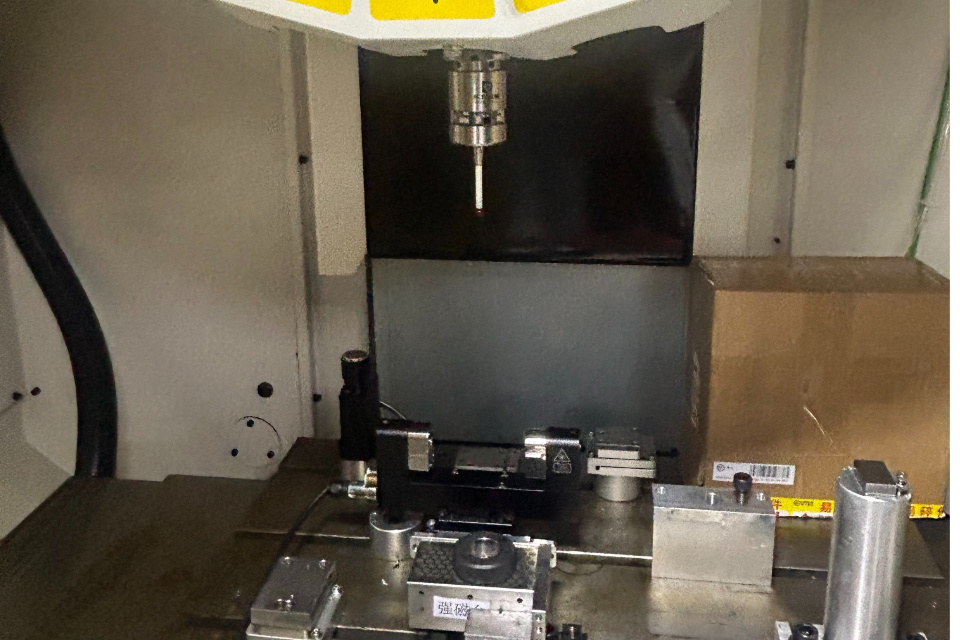
Wenn Sie ein rundes Teil bearbeiten, aber die Mitte nicht stimmt, leidet alles, was danach kommt:
Sie könnten denken: “Oh, ich werde es einfach mit der Kante finden - das ist nahe genug.” Aber wenn Sie Wiederholbarkeit und Zuverlässigkeit benötigen - insbesondere zwischen Schichten oder Bedienern -, brauchen Sie eine Messmethode, die direkt mit der CNC-Steuerung kommuniziert, und nicht eine, die sich auf menschliche Interpretation oder manuelle Verschiebungen verlässt. Das Antasten erfüllt genau diesen Zweck, indem es während des Kontakts präzise Koordinaten aufzeichnet und die Steuerungslogik zur mathematischen Berechnung der Ausrichtung nutzt.
Erfahren Sie mehr über hochpräzise messende CNC-Taster cnc-probe.
Kanten- und Zentrumsfinder sind preiswert, einfach und vertraut:
Sie eignen sich gut für die grobe Positionierung oder für grundlegende Einstellungen und können besonders nützlich sein, wenn Sie noch kein Sondensystem installiert haben.
Sie hängen jedoch vollständig vom Gefühl des Bedieners und von manuellen Berechnungen ab - es werden keine Daten automatisch an den Controller weitergegeben.
Sehen Sie sich unsere modularen CNC-Tastsysteme an cnc-probe.
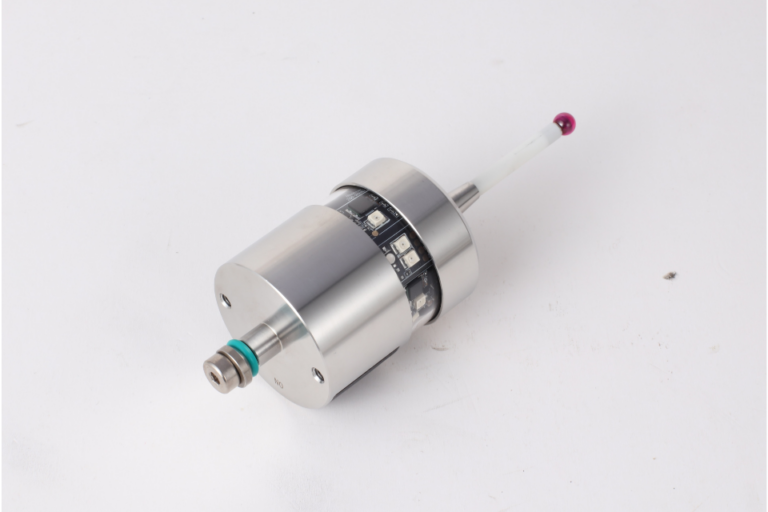
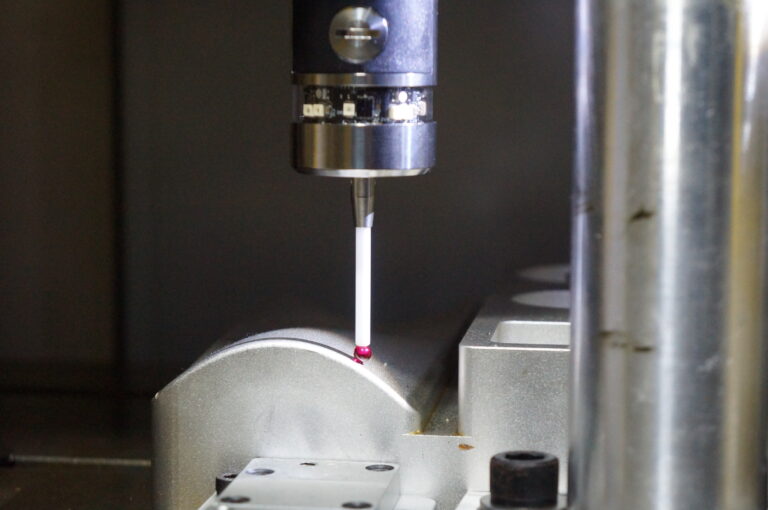
Ein CNC-Taster berührt das Werkstück und sendet ein präzises Signal an die Maschine, sobald er es berührt. Dabei handelt es sich nicht nur um einen taktilen Hinweis - die Steuerung zeichnet exakte Koordinaten auf und verwendet sie automatisch für Berechnungen. Dies ermöglicht der Maschine,:
Das bedeutet, dass die Einrichtung maschinell gemessen und nicht mehr vom Bediener interpretiert wird.
Erfahren Sie mehr über CNC-Laser-Werkzeugeinrichtungen cnc-probe.
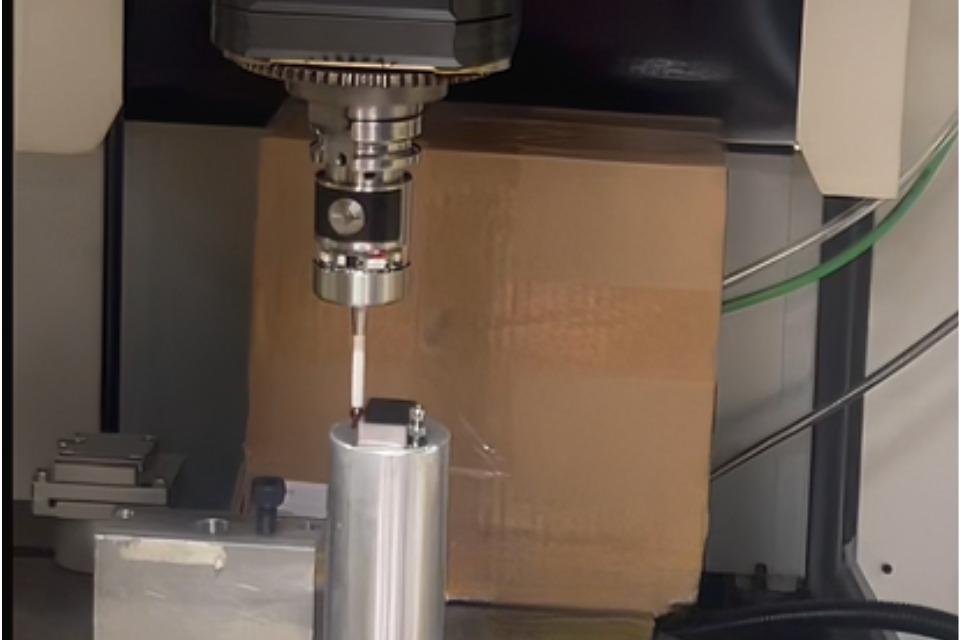
Nachfolgend finden Sie die grundlegende Logik hinter einer Antastroutine zur Ermittlung des wahren Mittelpunkts eines Rundmaterials - erklärt in Fachsprache, damit Sie verstehen, was die Maschine tut:
Sie beginnen damit, eine grobe Position für das Teil auf der Maschine festzulegen. Sie müssen noch nicht perfekt ausgerichtet sein - nur nahe genug, dass die Oberfläche mit dem Messtaster erreicht werden kann. Die meisten modernen Antastsysteme können dies bewältigen, da die Steuerung die Antastung nutzt, um den Arbeitsversatz automatisch festzulegen.
Bewegen Sie die Sonde so, dass sie sich dem Rundmaterial aus der +X-Richtung nähert.
Langsam einführen, bis die Sonde Kontakt hat.
Speichern Sie die X-Koordinate dieses Kontakts.
Dann:
Sobald Sie beide Punkte haben, kann der Controller den Mittelpunkt zwischen ihnen berechnen - das ist Ihre wahre Mittellinie durch X. Dieser einfache Rechenschritt ist es, der die vom Menschen abhängigen Berechnungen überflüssig macht.
Wiederholen Sie das gleiche Verfahren für Y:
Der Controller findet den Mittelpunkt dieser Punkte.
Jetzt haben Sie sowohl X- als auch Y-Mittelpunktskoordinaten, die direkt von der Maschine berechnet werden.
Entdecken Sie CNC-gesteuerte Einachs-Werkzeugeinrichter mit Kabel cnc-probe.
Wenn Ihre Einrichtung einen Drehtisch oder eine Vorrichtung umfasst, die nicht perfekt rechtwinklig zu den Achsen ist, können ausgeklügelte Antastroutinen (oft Teil von versteckten G/M-Makros) Abweichungen messen und die Koordinatensysteme entsprechend aktualisieren. Diese fortschrittlichen Antastprogramme machen das Raten überflüssig und reduzieren die Einrichtungszeit drastisch.
Besuchen Sie CNC-Tasterprodukte cnc-probe.
Hier ist der coole Teil, der das Antasten von Kanten- oder mechanischen Zentriermessern unterscheidet:
Dies reduziert die Unsicherheit bei der Einrichtung und das Rätselraten in der Werkstatt auf nahezu Null.
Stellen Sie sich vor, Sie führen jeden Tag eine Charge von Rundteilen aus. Das könnten Sie:
Letzteres ist nicht nur schneller - es liefert auch Daten, auf die man sich verlassen kann, selbst wenn morgen jemand anderes die Maschine bedient. Die Genauigkeit wird zu einer Fähigkeit des Prozesses, nicht zu einer Funktion des Bedieners.
Aus diesem Grund geht es bei der Fertigungsautomatisierung nicht nur darum, einen Messtaster anzuschließen - es geht darum, Messtasterroutinen zu verwenden, um den Bearbeitungsprozess zuverlässig zu steuern, insbesondere bei Merkmalen, die konzentrisch oder äquidistant zur Mitte sein müssen.
Erkunden Sie die CNC-Übertragung kabelgebundener Messtaster cnc-probe.
Hier finden Sie einige Einblicke in echte Geschäfte, die über die grundlegenden Handbücher hinausgehen:
Erfahren Sie mehr über hochwertige CNC-Infrarot-Tastsysteme cnc-probe.
Sie sind nicht überflüssig. Für sehr schnelle Grobeinrichtungen - insbesondere bei manuellen Fräsmaschinen oder wenn Sie keinen Messtaster haben - sind sie gut geeignet. Sobald Sie jedoch über einen CNC-Taster und eine Messtasterlogik verfügen, sind Messtaster nicht nur leistungsfähiger als diese - sie machen die manuelle Auswertung vollständig überflüssig und erhöhen die Genauigkeit und Wiederholbarkeit.
Die tiefere Einsicht hier ist folgende:
Prüfroutinen machen das Einrichten von einer Kunst zu einer reproduzierbaren technischen Messung.
Das ist die Art von Vorteil, die die Bearbeitung vorhersehbarer, profitabler und sicherer macht - nicht nur “schneller”.”