Sprechen Sie mit uns, erhalten Sie eine Lösung in 20 Minuten
Bitte teilen Sie uns Ihre Wünsche und spezifischen Anforderungen mit, dann arbeiten wir schnellstmöglich eine Lösung aus und senden sie kostenlos zurück.
Bitte teilen Sie uns Ihre Wünsche und spezifischen Anforderungen mit, dann arbeiten wir schnellstmöglich eine Lösung aus und senden sie kostenlos zurück.
Antasten auf einer CNC ist nicht nur ein “Luxus-Automatisierungsmerkmal”. Es ist eine Möglichkeit, Ihre Maschine in ein Messgerät zu verwandeln - ein Gerät, das automatisch Merkmale finden, Versätze einstellen und Maße überprüfen kann. Bei Fanuc-Steuerungen ist das Antasten besonders leistungsfähig, da die Steuerung die Antastzyklen direkt in ihre Logik integriert und fortschrittliche Routinen für das Einrichten von Werkstücken und Werkzeugen unterstützt.
Aber es gibt eine Lernkurve: Wie misst man, wie legt man Werte fest und wie überprüft man sie auf eine Weise, die tatsächlich die Genauigkeit verbessert und Zeit spart? Lassen Sie uns das anhand realer Einblicke in den Betrieb durchgehen.
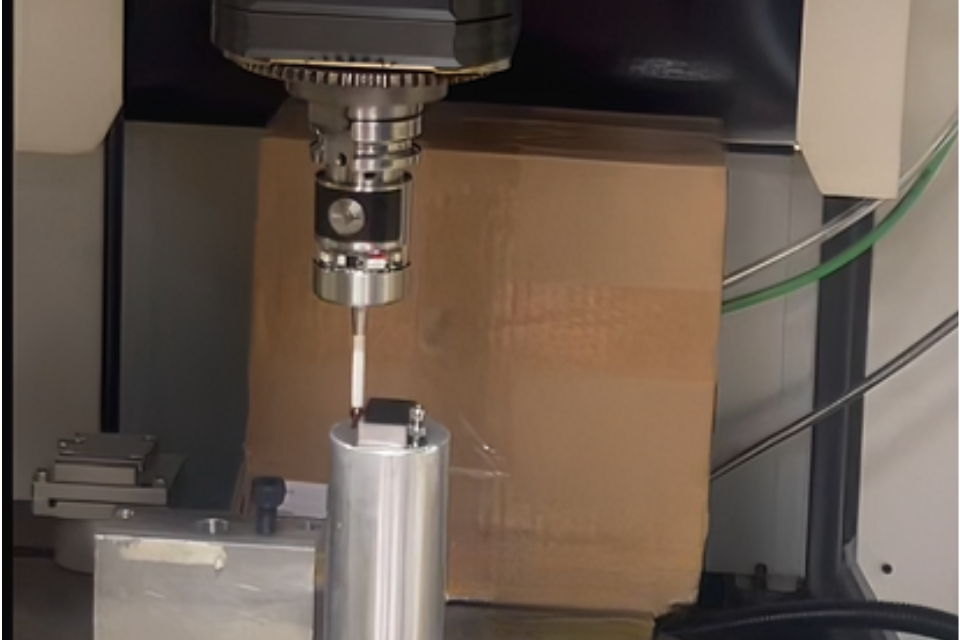
Bei einer Fanuc-CNC sind Messtaster nicht nur “Punkt und Stopp”-Geräte - sie sind Werkzeuge, die mit der Bewegungssteuerungslogik Ihrer CNC interagieren. Sie senden einen Antastbefehl, die Maschine bewegt den Messtaster, bis ein Kontakt erkannt wird, und die Steuerung zeichnet die genaue Position auf, an der dieser Kontakt stattgefunden hat.
Damit werden Fanuc-Maschinen von Schneidmaschinen zu Messmaschinen, die in der Lage sind:
Eine gut abgestimmte Antastroutine verkürzt die Einrichtzeit, erhöht die Wiederholgenauigkeit und reduziert den Ausschuss - denn die Maschine errät nicht, wo sich Kanten oder Oberflächen befinden, sondern misst sie für Sie.
Entdecken Sie hochpräzise Messungen mit CNC-Tastern cnc-probe.
Fanuc unterstützt verschiedene Antastverfahren - von einfachen Skip-Befehlen bis hin zu vollständigen Makrozyklen:
Dies ist die einfachste Form des Antastens, die auf Fanuc verfügbar ist:
In der Praxis sieht das so aus:
G91 G31 Z-50. F100
Das bedeutet: Im Inkrementalmodus Z nach unten fahren, bis der Taster auslöst. Bei Berührung wird die Bewegung sofort gestoppt und die Steuerung registriert die Position.
Für eine einfache Kanten- oder Oberflächenerkennung ist dies oft alles, was Sie brauchen - allerdings werden dabei noch keine Versätze automatisch festgelegt.
Für die Offset-Einstellung und Standardaufgaben (wie Kanten- oder Mittenfindung) verwenden die meisten Fanuc-Maschinen Antastmakros, die mit G65 aufgerufen werden. Diese Makros enthalten die benötigte Logik - Annäherung, Erfassung des Kontaktpunkts, Offsetberechnung und Speicherung.
Erfahren Sie mehr über CNC-Laser-Werkzeugeinrichtungen cnc-probe.
Ein typischer Anwendungsfall ist das Auffinden der Werkstückoberfläche und das genaue Einstellen des Arbeitskoordinatensystems, damit die Bearbeitungsreferenzen korrekt sind.
Hier ist die allgemeine Logik:
Fanuc speichert den Wert in einem Arbeitsoffset wie G54.
Entdecken Sie CNC-gesteuerte, einachsige Werkzeugeinrichtungen cnc-probe.
Eine einmalige Messung und die Annahme, dass das Ergebnis korrekt ist, kann riskant sein - insbesondere bei kritischen Arbeiten, bei denen sich die Vorrichtungen leicht verschieben können oder das Rohmaterial nicht einheitlich ist.
Die Verifizierung erfolgt auf eine dieser Arten:
Diese tiefere Intuition - Messen, um zu überprüfen, nicht nur einmal messen und dann blind vertrauen - ist es, was robuste Prüfroutinen von unsicheren Einrichtungen unterscheidet.
Siehe CNC-Übertragung verdrahtete Messtaster cnc-probe.
Werkzeuglängen-Offsets sind genauso wichtig wie Werkstück-Offsets. Auf Fanuc-Systemen werden bei der Werkzeugvermessung häufig Routinen wie G76 verwendet, die die Maschine anweisen, die Position der Werkzeugspitze relativ zu einer bekannten Oberfläche zu messen und das Werkzeugversatzregister zu aktualisieren.
Im Gegensatz zu den Werkstückkorrekturen (G54, G55 usw.), die in den Werkstückkoordinatenregistern gespeichert sind, werden die Werkzeugkorrekturregister (H-Werte) mit Werkzeugmessungen gefüllt. Wenn Sie sicherstellen, dass diese Werte vor Beginn der Bearbeitung gemessen und überprüft werden, wird eine gleichbleibende Schnitttiefe und Genauigkeit des Teils gewährleistet.
Entdecken Sie unseren kabellosen Werkzeugwechsler mit fünf Richtungen für CNC-Maschinen cnc-probe.
Die Festlegung von Ausgleichszahlungen ist die halbe Miete - die Überprüfung ist der Rest.
Gute Fans von Sondierungsroutinen sagen nicht nur “Aufsetzen und loslegen”. Sie sagen:
Damit wird das Antasten von einer einmaligen Messung zu einer Vertrauensprüfung Ihrer Bearbeitungsgrundlage.
Es ist der Unterschied zwischen “Ich denke, der Ursprung ist richtig” und “Die Kontrolle weiß, dass der Ursprung richtig ist”.”
Erfahren Sie mehr über optisch verdrahtete Fünf-Achsen-CNC-Touch-Tool Setter cnc-probe.
Die alte manuelle Methode - Kantentaster oder Messuhr - beruht auf dem Gefühl und der Interpretation des Bedieners. In den Händen erfahrener Maschinisten ist sie effektiv, aber sie hat ihre Tücken:
Die Untersuchung von Fanuc gibt Ihnen:
Was Sie an taktilem “Gefühl” verlieren, gewinnen Sie an Daten und Vertrauen - und in modernen Produktionsumgebungen sind Daten immer wichtiger als Gefühl.
Besuchen Sie CNC-Tasterprodukte cnc-probe.
Hier ist der mentale Unterschied zwischen durchschnittlicher und fortgeschrittener Nutzung der Sondierung:
Sondieren heißt nicht “sich bewegen, bis man Kontakt spürt”, sondern “präzise Koordinatendaten sammeln und diese für Schnittentscheidungen nutzen”.”
Bei Fanuc heißt das: verwenden:
So sieht echte messtechnisch gesteuerte Bearbeitung aus - und nicht nur hart kodierter G-Code.
Der Fanuc-Taster ist nicht nur ein Kontrollkästchen in einem Handbuch - er ist ein Werkzeugkasten für eine präzise Vorbereitung. Messen ohne Einstellen und Überprüfen ist wie eine Messung, die nicht aufgezeichnet wird - der Wert ist verloren.
Durch die Integration von Prüfroutinen zum Messen, Einstellen und Überprüfen: