Hable con nosotros, obtenga una solución en 20 minutos
Por favor, háganos saber cualquier requisito y demandas específicas, a continuación, elaboramos la solución más pronto y enviarlo de vuelta de forma gratuita.
Por favor, háganos saber cualquier requisito y demandas específicas, a continuación, elaboramos la solución más pronto y enviarlo de vuelta de forma gratuita.
Si alguna vez ha fresado lo que debería ser una superficie plana y ha observado pequeñas crestas, sutiles inclinaciones o profundidades inconsistentes, aunque su CAM parecía perfecto, acaba de encontrarse con un error de tramado. En este caso, el husillo no está realmente perpendicular a la mesa o a la fijación, y cada corte transmite ese error a la pieza acabada. Corregir este problema no es sólo “bueno tenerlo”, es fundamental para un mecanizado fiable.
En este artículo, hablaremos sobre el triscado asistido por sonda: qué es, por qué debería importarle y cómo la sonda cambia fundamentalmente la forma de realizar el triscado en comparación con las herramientas de la vieja escuela, como los palpadores de aristas o los relojes comparadores.
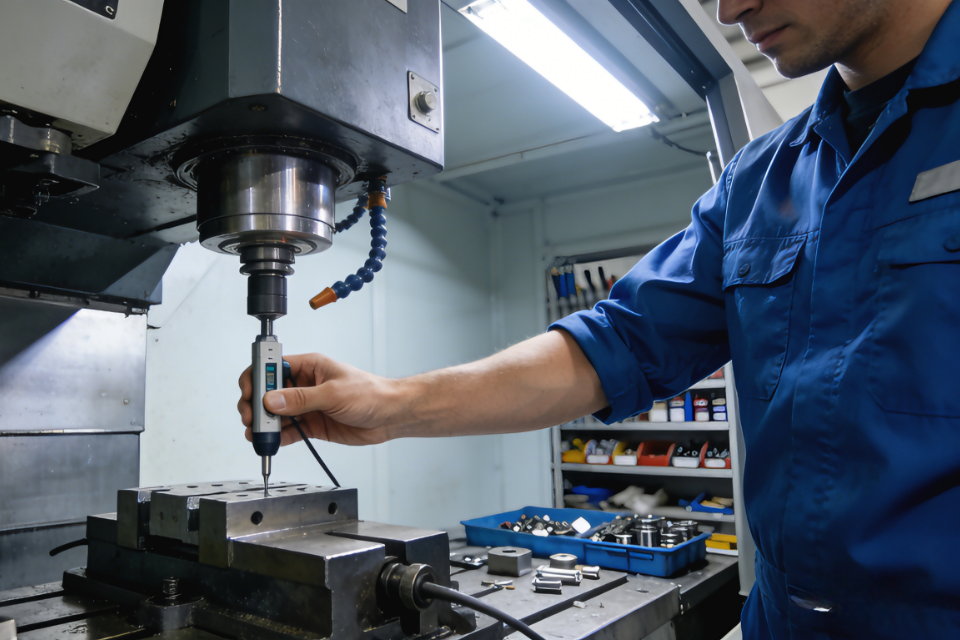
En el mecanizado, alinear el husillo para que sea realmente perpendicular (u ortogonal) a los ejes de la máquina, especialmente a la mesa o al soporte, para que los cortes sean planos y la trayectoria de la herramienta se comporte de forma predecible.
Piense en un coche que necesita alinear las ruedas: si están desalineadas por muy poco, el coche se desviará y los neumáticos se desgastarán de forma desigual. En un CNC, si el husillo está desalineado, aunque sólo sea unas milésimas, esa desviación se reflejará en los cortes:
Por eso el tramado no es una tarea de mantenimiento para “algún día”: es precisión preventiva.
Explorar las herramientas láser CNC sonda cnc.
Tradicionalmente, los maquinistas tranvía utilizando:
Estos métodos pueden funcionar, pero siguen basándose en la interpretación y el contacto físico leídos por una persona. Es decir:
Incluso después de la alineación con un indicador, nada en la máquina sabe cómo se ve esa alineación como una coordenada - usted simplemente ha hecho manualmente que el husillo se vea recto a su ojo.
Consulte los palpadores modulares CNC sonda cnc.
Ahora, imagina esto:
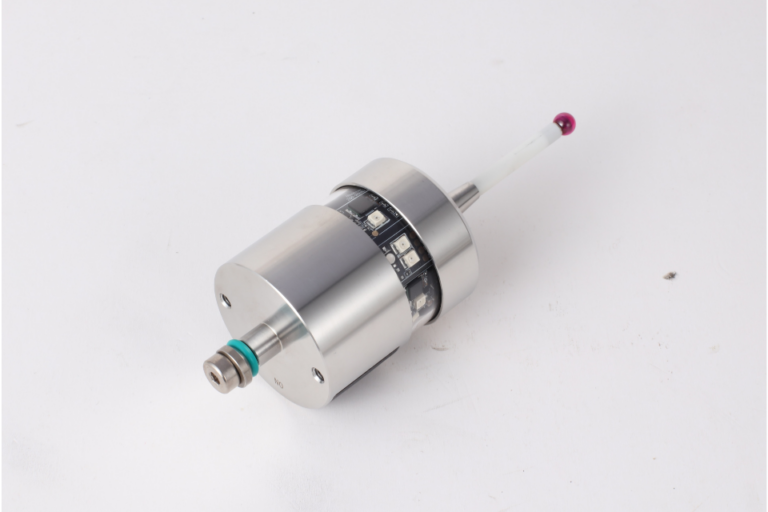
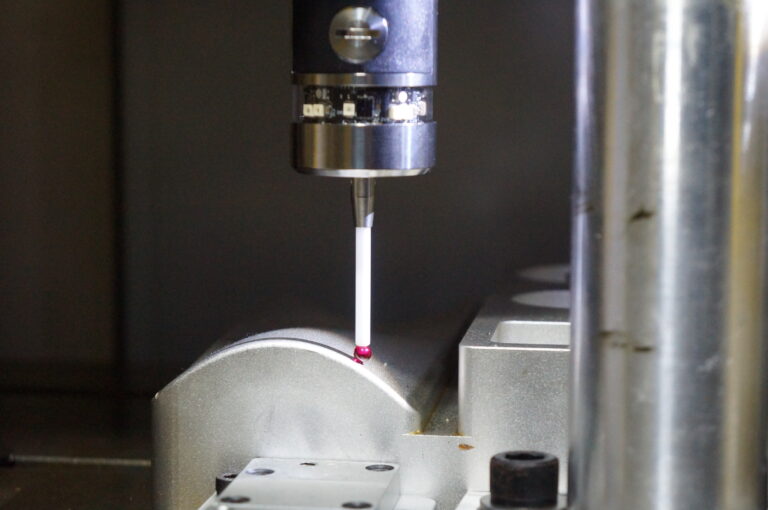
En lugar de confiar únicamente en el tacto o en una barra indicadora mecánica, el cabezal dispone de una sonda CNC, un sensor que el controlador puede leer electrónicamente. Usted programa la máquina para que utilice la sonda para:
Eso es lo que hace el tramado asistido por sonda: traduce la geometría a la lógica de la máquina en lugar de confiar en la interpretación humana.
Explorar los reglajes de herramientas CNC con cable en el eje Z sonda cnc.
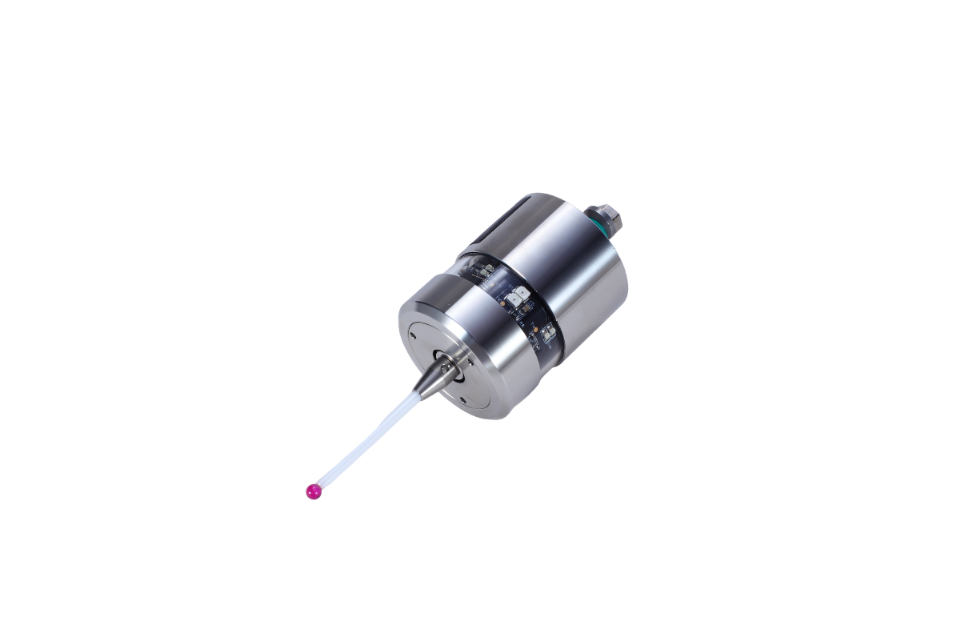
Esto es lo que pasa cuando introduces el sondeo en el tramming:
Una sonda no “adivina” basándose en marcas o sensaciones táctiles. Registra las coordenadas precisas de los puntos de contacto y las envía al controlador. Eso es inteligencia repetible, no interpretación subjetiva.
Convierte un arte en una medida, y eso es enorme.
Con los datos de la sonda almacenados en los registros o archivos del controlador, puede comparar las alineaciones anteriores con los ajustes actuales, para saber si la máquina se ha desviado con el tiempo en lugar de suponer que no lo ha hecho.
Visite la página de CNC Probe sonda cnc.
Una rutina práctica de tramado de sondas sigue a grandes rasgos estos pasos:
¿La diferencia clave? La máquina hace los cálculos geométricos, no tus ojos ni tus manos.
Los ciclos de palpación modernos de los controles CNC, a menudo ocultos en las funciones G/M de palpación, pueden encargarse de ello automáticamente si se configuran correctamente.
Compruebe los palpadores con cable de transmisión CNC sonda cnc.
Aquí es donde aparece la verdad más profunda:
Los localizadores de aristas y los relojes comparadores ofrecen una indicación mecánica, que se interpreta y se introduce manualmente.
Una sonda proporciona datos de coordenadas leídos por la máquina que pasan a formar parte de la comprensión de la geometría del control.
En los métodos tradicionales, después de la maniobra se confía en la configuración. En el tramado asistido por sonda, el controlador conoce la configuración.
Es el paso de la precisión dependiente de la experiencia a la precisión basada en los datos.
Explore las sondas CNC de medición de alta precisión sonda cnc.
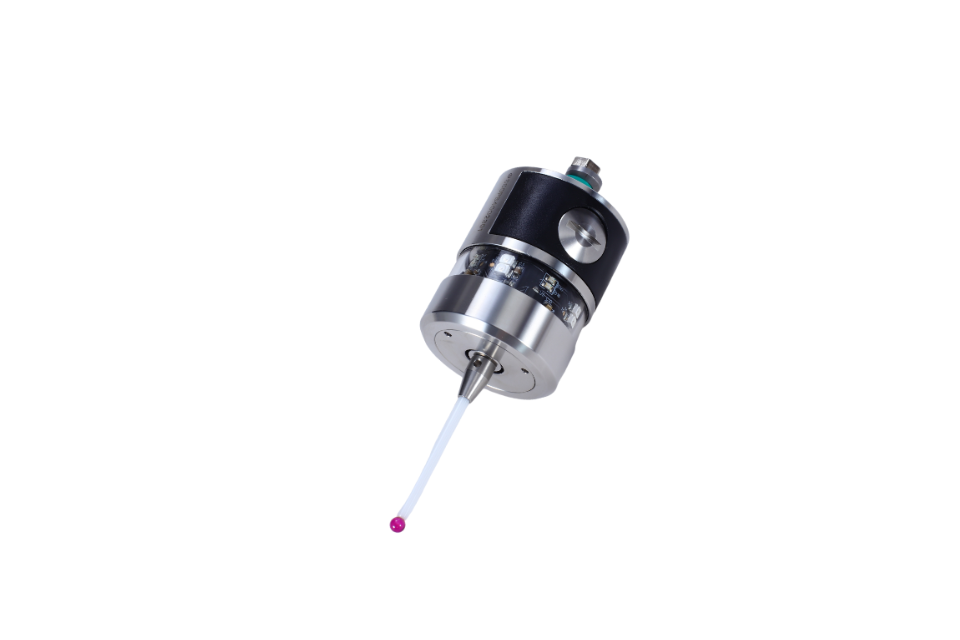
El tramado asistido por sonda no consiste sólo en comprobar una vez y olvidarse. Vale la pena cuando:
Consulte los productos de la sonda CNC sonda cnc.
¿Recuerdas esa sensación cuando una barra indicadora mostraba números ligeramente diferentes delante y detrás en una gran superficie, y ajustabas, volvías a comprobar y ajustabas de nuevo? Esas idas y venidas son las que hacen perder tiempo y confianza en la configuración.
El tramado asistido por sonda lo hace redundante. Es como tener una “cámara de medición” integrada en el husillo que lee las posiciones, las archiva y le da respuestas matemáticas. Esta certeza mejora la calidad de las piezas y le deja tiempo para pensar en el siguiente problema en lugar de volver a resolver el mismo rompecabezas de alineación de siempre.
Más información sobre los reglajes de herramientas táctiles CNC de cinco ejes con cable óptico sonda cnc.
Los métodos tradicionales, como los buscadores de bordes y los relojes comparadores, son herramientas muy útiles si se utilizan bien. Pero dependen de la interpretación humana, la memoria muscular y el juicio.
Por el contrario, una sonda CNC lleva la geometría al dominio digital: las mediciones se registran en el lenguaje de la máquina, no en la taquigrafía del operario. Por eso, el tramado asistido por sonda no es solo una función o una actualización, sino una nueva forma de pensar sobre la alineación de máquinas en la era de la automatización y la fabricación de precisión.
Ya no le preguntas a la máquina: “¿Esto me parece cuadrado?”.”
Le estás diciendo a la máquina: “Aquí están las medidas exactas, arregla la alineación”.”
¿Y esa diferencia? Esa es la verdadera ventaja.