Parlez-nous, obtenez une solution en 20 minutes
Veuillez nous faire part de vos exigences et de vos demandes spécifiques. Nous trouverons alors la solution la plus rapide et vous la renverrons gratuitement.
Veuillez nous faire part de vos exigences et de vos demandes spécifiques. Nous trouverons alors la solution la plus rapide et vous la renverrons gratuitement.
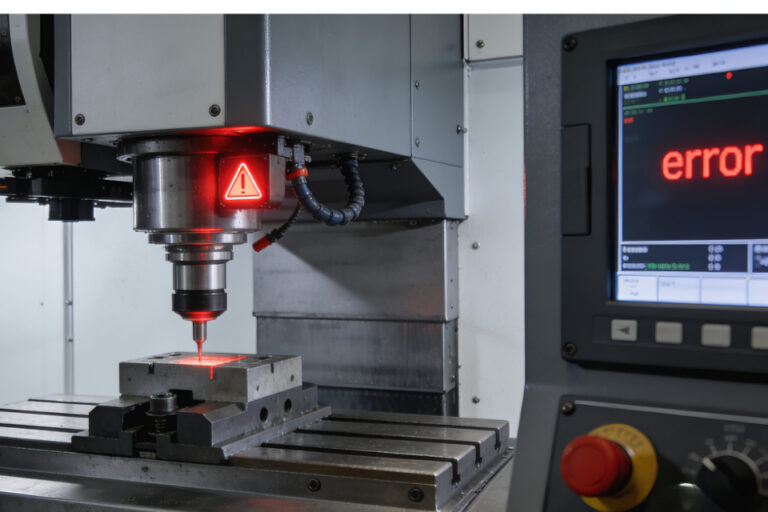
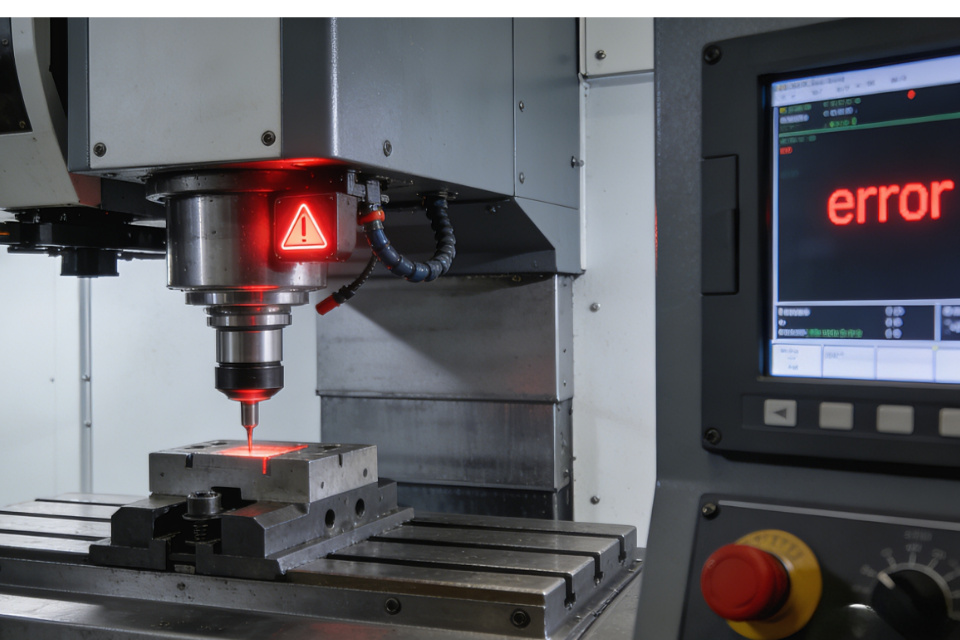
Dans ce blog, nous nous pencherons sur les causes réelles des alarmes d'échec de sonde, nous expliquerons comment les diagnostiquer et nous vous guiderons vers des solutions qui s'attaquent réellement à la cause au lieu de simplement masquer le symptôme.
Une alarme “Sonde défaillante” ne signifie pas toujours que la sonde est cassée. Pensez-y comme si le contrôleur disait :
“Je m'attendais à ce que la sonde émette un signal de déclenchement fiable à ce stade du cycle, mais ce que j'ai vu n'avait pas de sens.”
Cela pourrait s'expliquer par le fait que :
Comprendre cette distinction est la première étape pour résoudre le problème.
Explorer les régleurs d'outils laser CNC sonde cnc.
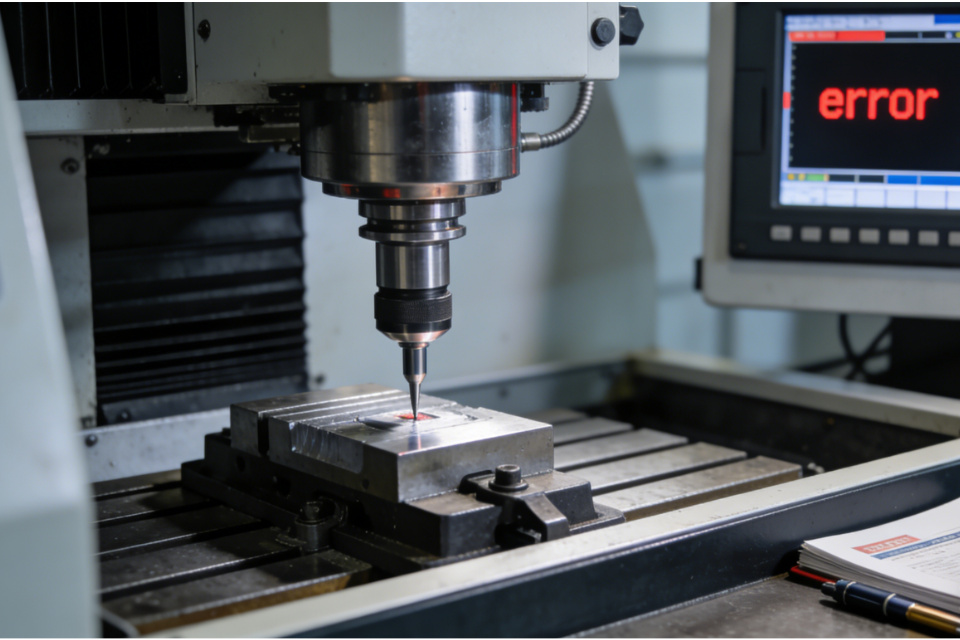
Vous trouverez ci-dessous les catégories typiques de problèmes liés à l'échec des sondes - avec le contexte réel de l'atelier.
La sensation sur la machine :
La machine approche la pièce...
Rien ne se passe...
Le message “Probe Failed” s'affiche alors.
Ce qui se passe habituellement :
Le contrôleur n'a jamais vu le signal de déclenchement dans la plage ou le délai prévu.
Principales causes et solutions :
Le véritable changement d'état d'esprit :
Ne supposez pas que la sonde se déclenche parce que vous voyez un contact mécanique. Le contrôleur doit voir le signal électroniquement - et c'est ce qui détermine la réussite ou l'échec.
En savoir plus sur les palpeurs modulaires CNC sonde cnc.
Symptômes :
Les erreurs de sonde se produisent sans même entrer en contact avec la pièce à usiner.
Erreurs survenant en cours de route ou en air libre.
Coupables probables :
Des correctifs qui aident réellement :
Explorer les régleurs d'outils câblés CNC à axe unique sonde cnc.
Même si votre sonde se déclenche, il se peut qu'elle ne se comporte pas de la manière attendue par le contrôleur.
Les erreurs d'installation les plus courantes sont les suivantes :
Comment diagnostiquer :
Fixer l'approche :
Découvrez les sondes CNC de mesure de haute précision sonde cnc.
Un facteur dont on ne parle souvent pas assez est le bruit électrique dans l'armoire ou la zone d'outillage.
Les sources sont les suivantes
Des correctifs qui aident :
Explorer les palpeurs câblés de transmission CNC sonde cnc.
Parfois, le matériel de la sonde est en bon état, mais le contrôleur n'est pas configuré pour cela.
En voici quelques exemples :
Ce type d'erreur a tendance à se répéter à chaque tentative de sondage jusqu'à ce qu'elle soit corrigée, ce qui est en fait une bénédiction - cela signifie que le problème est lié à la configuration et non à une défaillance matérielle intermittente.
Visitez la page d'accueil de CNC Probe sonde cnc.
Plutôt que de faire des suppositions au hasard, voici une séquence logique qui s'aligne sur l'expérience réelle des magasins :
Si ce n'est pas le cas, il s'agit d'un problème de connexion, d'alimentation ou de matériel de la sonde.
Surveillez les diagnostics du contrôleur tout en touchant la sonde à des endroits connus.
Le remplacement du stylet, la réinitialisation de l'étalonnage, le réacheminement du câblage sont autant d'éléments qui déclenchent de nouveaux problèmes.
Il s'agit là d'un aspect subtil, mais qui est souvent à l'origine des “échecs aléatoires”, c'est-à-dire d'un diagnostic qui ne se répète pas de manière fiable.
Découvrez notre dispositif de réglage d'outil câblé sur l'axe Z de la CNC sonde cnc.
La raison pour laquelle les alarmes “échec de la sonde” sont si déroutantes est que de nombreux machinistes supposent qu'un contact mécanique est synonyme de réussite. Or, c'est l'interprétation d'un signal électrique par le contrôleur qui compte. Considérez le palpage comme un pipeline de données :
Mouvement du stylet → signal électrique → logique du contrôleur → interprétation des coordonnées
Toute rupture ou distorsion de cette canalisation - physique, électrique ou de configuration - entraîne un échec du cycle.
| Catégorie de cause | Ce que l'on ressent | Fixation pratique |
|---|---|---|
| Aucun déclencheur n'a été observé | Bouge mais échoue | Vérifier les batteries, le câblage, l'armement, l'étalonnage |
| Faux déclencheur | Erreur dans l'air libre | Réduire le bruit, sécuriser le stylet, ajouter un blindage |
| Dérive de l'étalonnage | Erreurs de décalage cohérentes | Recalibrer, raccourcir le stylet, vérifier les paramètres |
| Bruit environnemental | Comportement erratique | Mise à la terre, réacheminement des câbles, suppression du bruit |
| Problème de configuration | Répéter chaque tentative | Vérifier les réglages/macros du contrôleur |
En savoir plus sur les palpeurs infrarouges CNC de haute qualité sonde cnc.
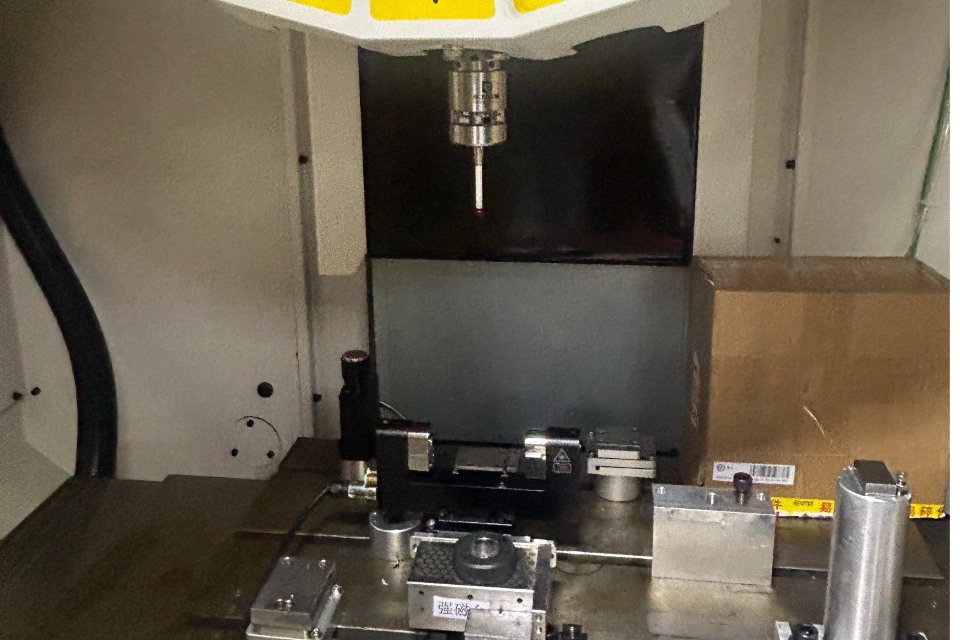
“La mention ”Sonde défaillante" n'est pas une sentence de mort pour votre installation de palpage - c'est un indice de diagnostic. L'astuce consiste à comprendre que la sonde n'est pas un simple interrupteur mécanique - elle fait partie d'un système de mesure électronique où la mise à la terre, l'intégrité du signal, l'étalonnage et la configuration du contrôleur jouent tous un rôle essentiel.
Une fois que vous aurez commencé à penser en termes d'interprétation des signaux plutôt qu'en termes de sondes physiques, vous résoudrez rapidement et efficacement les problèmes liés à l'échec des sondes.