Parlate con noi, ottenete una soluzione in 20 minuti
Fateci sapere qualsiasi requisito e richiesta specifica, quindi elaboriamo la soluzione al più presto e la rispediamo gratuitamente.
Fateci sapere qualsiasi requisito e richiesta specifica, quindi elaboriamo la soluzione al più presto e la rispediamo gratuitamente.
Una sonda CNC non è solo un sensore di fantasia che si usa occasionalmente per impostare i pezzi. Se calibrata correttamente, diventa uno degli strumenti più potenti della vostra officina: fa risparmiare tempo, riduce gli scarti, migliora il successo del primo pezzo e rende l'impostazione e l'ispezione prevedibili invece che aleatorie.
Ma ecco la verità che la maggior parte dei concorrenti non sottolinea:
La calibrazione non è qualcosa che si fa una volta e si dimentica. È un processo fondamentale che determina se i dati di ispezione sono affidabili o fuorvianti. Se la vostra sonda non è calibrata in modo accurato e costante, ogni misura che esegue, dai rilievi dei bordi ai centri dei fori, comporta un errore.
Questo blog spiega perché la calibrazione è importante, a cosa serve davvero e come renderla parte del flusso di lavoro abituale in modo chiaro, fattibile e basato sull'esperienza reale in officina, non su aride specifiche tecniche.
Immaginate questo scenario:
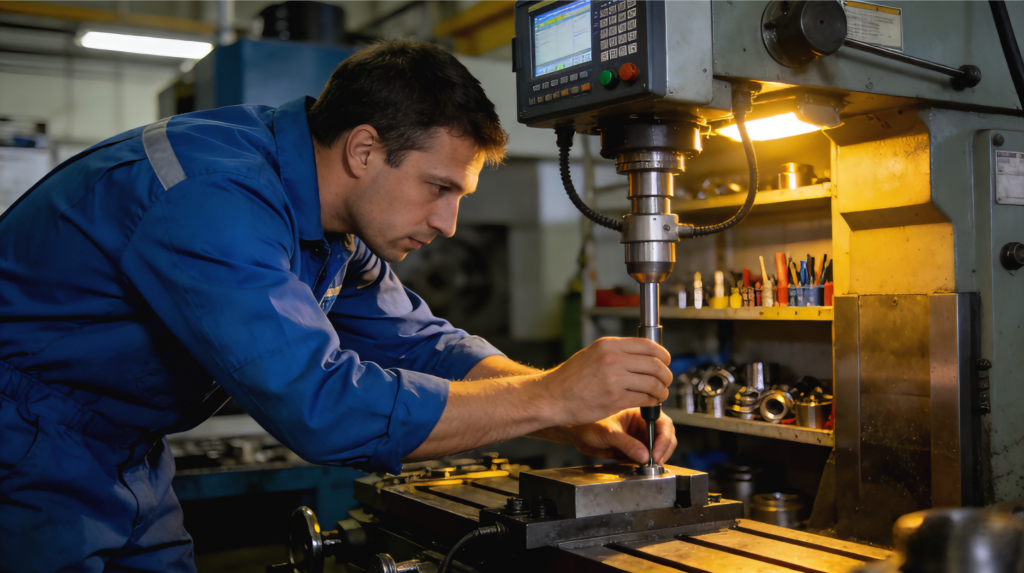
Si imposta un pezzo utilizzando la sonda, ma poi si scopre che le posizioni dei fori sono sbagliate. Durante l'impostazione tutto sembrava corretto.
Ecco l'inghippo:
Una sonda CNC non conosce automaticamente la posizione esatta della punta dello stilo o la sua deflessione prima di segnalare il contatto. Il controllore pensa che il punto di attivazione sia esatto, ma in realtà l'attivazione avviene dopo una piccola deflessione del meccanismo della sonda.
Potrebbe non sembrare un grosso problema, ma nelle lavorazioni di precisione i piccoli errori si sommano rapidamente. La calibrazione misura e compensa questa deviazione, in modo che ogni tocco della sonda si traduca in una coordinata reale e utilizzabile.
E anche di più:
Senza calibrazione, la sonda può essere precisa ma imprecisa: il peggior tipo di falsa sicurezza.
Per saperne di più sugli strumenti di alta precisione Sonda CNC sonda cnc.
La calibrazione è un'operazione di base che comunica al controllore CNC:
“Questo è il punto in cui si trova effettivamente la punta dello stilo quando la sonda segnala il contatto”.”
A tal fine, la calibrazione deve tenere conto di:
Quando la calibrazione è ben eseguita, tutte le future mosse di tastatura fanno riferimento a un sistema di coordinate noto e corretto invece che a una supposizione.
Si tratta di insegnare alla sonda a “parlare il linguaggio della macchina” in modo accurato, invece di far indovinare alla macchina quello che la sonda le sta dicendo.
Esplora i blocchi e gli strumenti di calibrazione Sonda CNC sonda cnc.
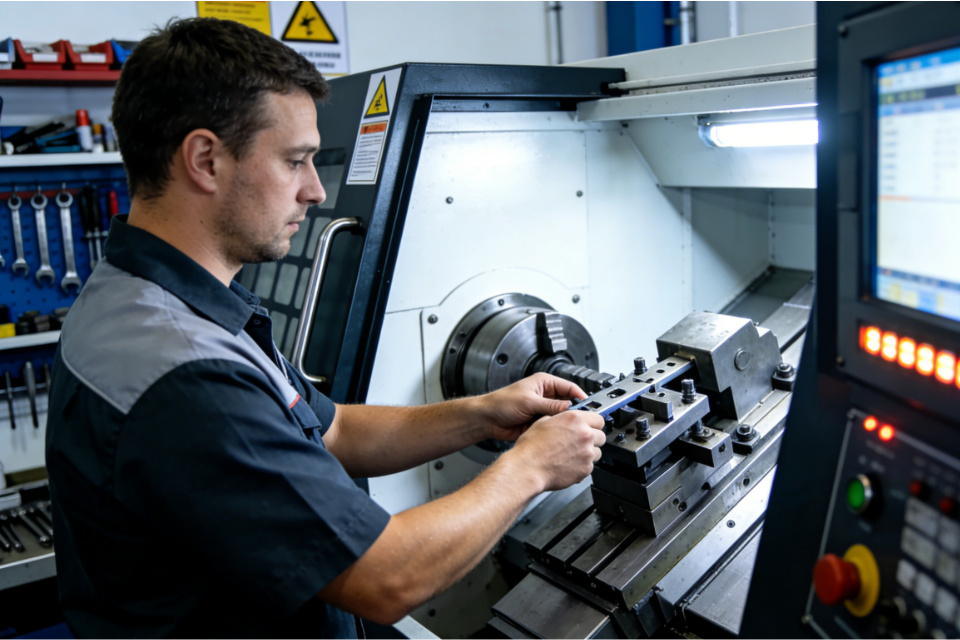
Per la calibrazione è necessario un oggetto di riferimento: qualcosa con una geometria nota e precisa, ad esempio:
Si posiziona l'artefatto sulla macchina e si fa in modo che la sonda lo tocchi in modi controllati, in modo che il software possa confrontare le posizioni di contatto effettive con quelle previste.
Questo confronto rivela due elementi critici:
A partire da ciò, la macchina costruisce una compensazione: non si tratta di congetture, ma di correzioni basate sui dati.
Ulteriori informazioni sulle sonde CNC ad alta precisione sonda cnc.
Questo è il metodo più comune per i negozi di base e per i lavori generici.
Si sondano diversi punti su un manufatto noto (come un calibro ad anello). Il controllore calcola la differenza tra la geometria misurata e quella reale. Questa differenza diventa l'offset di calibrazione utilizzato per le sonde future.
Perché è potente:
Corregge la deflessione del trigger in un unico valore che il controllore applica automaticamente a ogni spostamento della sonda.
Si tratta del gold standard quando la precisione assoluta è importante, soprattutto nei lavori a 5 assi e ad alta precisione.
La sonda entra in contatto con la sfera di calibrazione in molti punti. Viene generata una “mappa” della deflessione del grilletto della sonda rispetto alla direzione. Il controllore utilizza questa mappa per le correzioni specifiche della direzione.
Se la tastatura prevede spostamenti angolati o posizioni multiasse, questo metodo migliora notevolmente la fedeltà, soprattutto su pezzi complessi.
Esplora le sonde CNC di misura ad alta precisione sonda cnc.
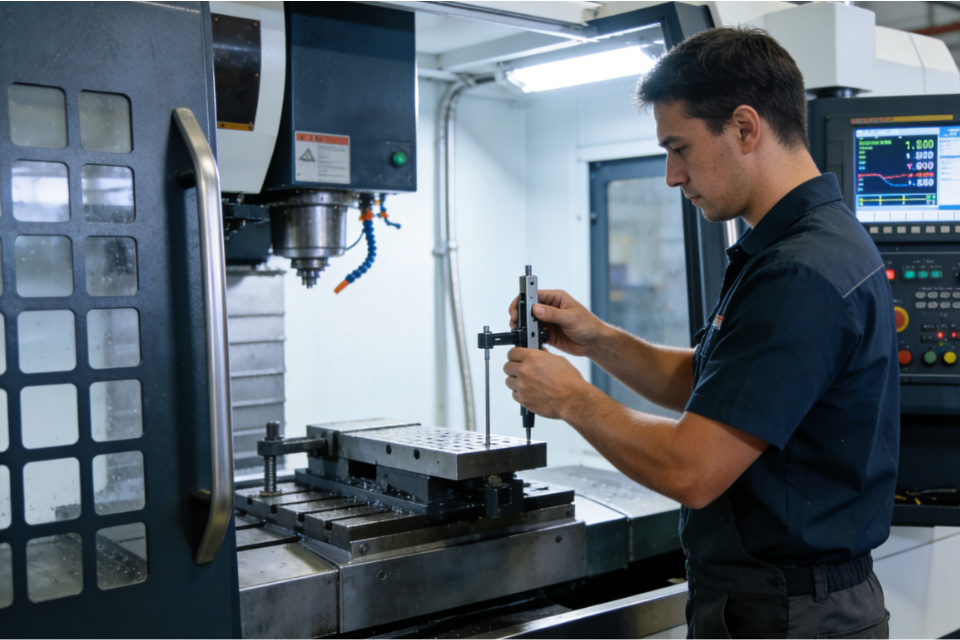
Ecco il nocciolo di ciò che accade in un ciclo di calibrazione, nel linguaggio quotidiano di un negozio:
Questa routine fa la differenza tra l'indovinare gli offset e il conoscerli come dati di fatto.
Visita la homepage di CNC Probe sonda cnc.
La calibrazione dovrebbe far parte del ritmo regolare della vostra officina:
Le sonde non invecchiano come gli utensili in un cassetto: si usurano a causa dell'uso, delle vibrazioni e degli urti. La calibrazione assicura che l'usura non si insinui silenziosamente nel vostro lavoro.
Esplora gli strumenti di calibrazione per le grandi corse Sonda CNC sonda cnc.
La calibrazione non consiste solo nel correggere un singolo numero, ma nel rendere i risultati delle sonde affidabili da un ciclo all'altro e da un operatore all'altro. Una sonda correttamente calibrata garantisce:
La calibrazione crea coerenza, ed è qui che risiede la vera forza del negozio.
Per saperne di più sui prodotti delle sonde CNC sonda cnc.
Una lavorazione ottimale non è solo una questione di hardware, ma anche di fiducia nei propri dati.
Quando ci si prende il tempo di calibrare la sonda CNC in modo corretto e regolare, si sblocca la situazione:
Non è un discorso di marketing, ma di controllo dei processi.
E questo è il vero vantaggio delle sonde calibrate:
Non misure più rapide.
Non strumenti lucidi.
Ma un flusso di lavoro di cui ci si fida senza esitazione.