Talk to us,Get a Solution in 20 minutes

Please let us know any requirements and specific demands,then we work out the solution soonest and send back it for free.

Product inquiry

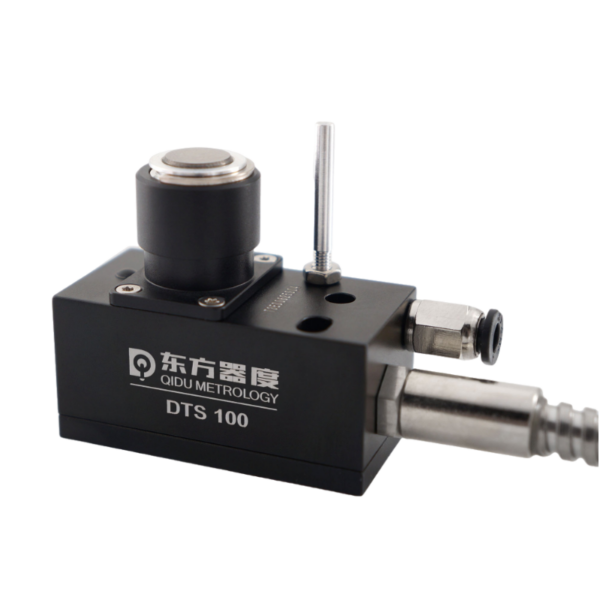
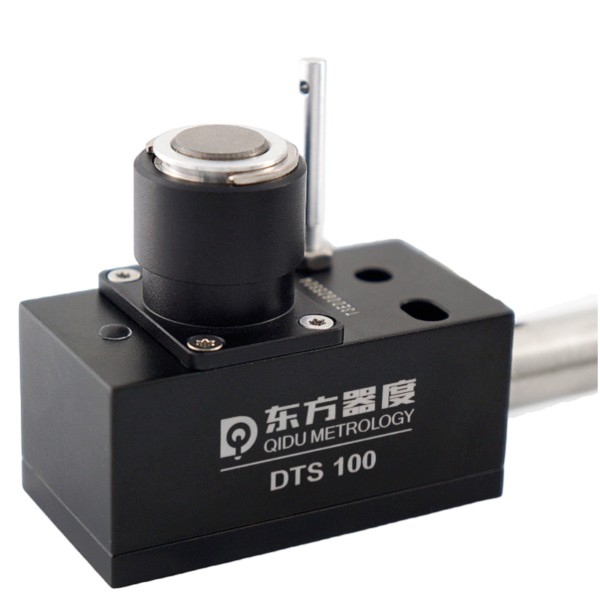
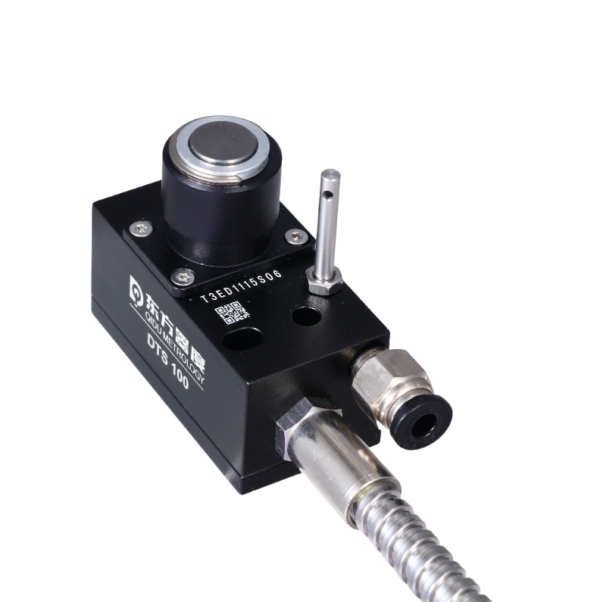
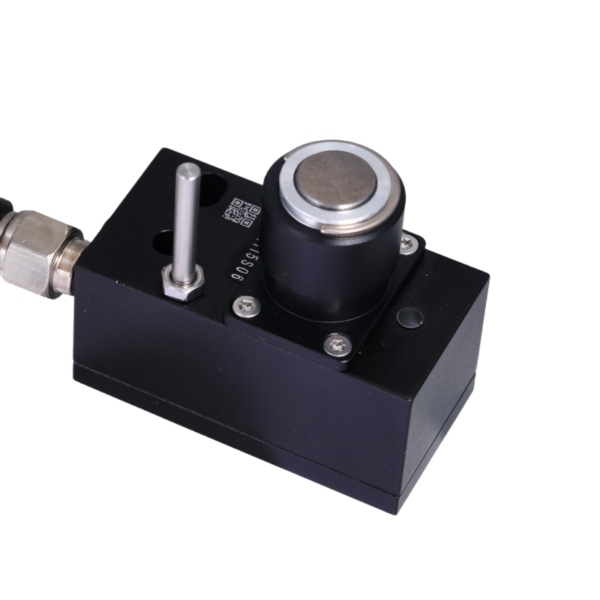
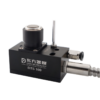
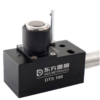
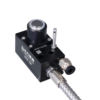
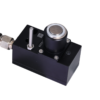
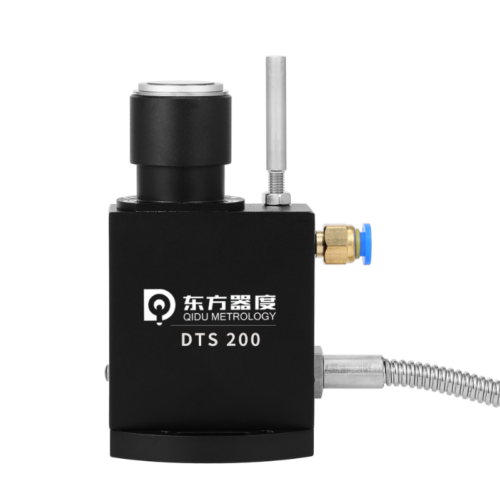
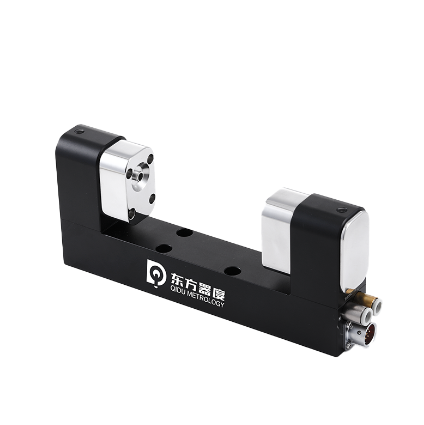
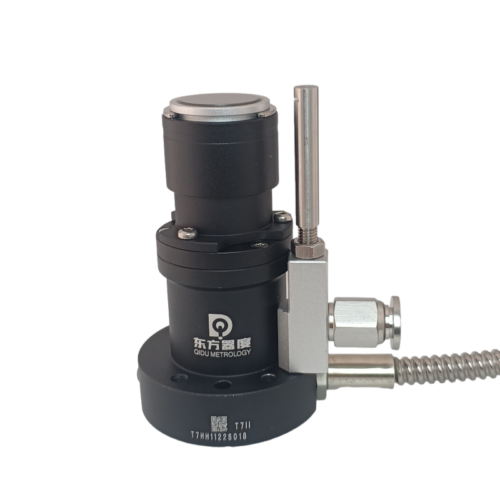
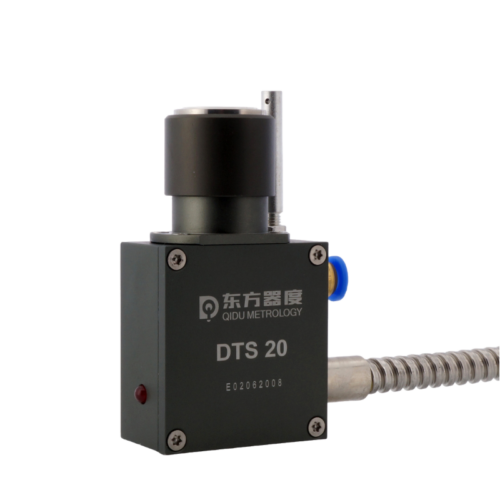
Cnc Single-Axis Wired Tool Setter Small Diameter High Repeat

CNC Single-axis single-axis wired tool setter with IP68 sealing and low trigger force for small-diameter tools. Photoelectric sensor trigger ensures high accuracy and long life. Measures/compensates tool length (0.1–10mm), detects broken tools, and supports precision carving and high-gloss machines.

Product inquiry
사랑을 나누세요

This CNC Single-axis wired tool setter (Z-Axis) is purpose-built for small-stroke machine tools where tool control must be fast, gentle, and extremely repeatable—such as precision engraving/carving machines and high-gloss machining applications. By combining a low-force contact design with a high-stability photoelectric trigger, it delivers reliable tool measurement without damaging delicate, small-diameter cutters.

This style was designed to survive harsh machining conditions, it can providing strong sealing against coolant, dust, and fine debris. Its rugged structure supports long-term accuracy in real production environments, and the cable transmission ensures stable, consistent signal execution with minimal risk of wireless interference.

The tool setter uses a photoelectric sensor triggering method, which offers higher repeatability and a longer service lifespan compared with traditional mechanical switching. This design reduces internal wear and helps keep trigger performance consistent over time—critical for fine surface finishing and micro-tool work. A high-hardness, highly wear-resistant hard contact head further improves durability, maintaining a consistent contact point even under frequent measurement cycles.

Functionally, it acts as a one-axis measurement station that can measure and compensate tool length in the range of 0.1 to 10mm. It supports broken tool detection and automatic compensation, helping you catch tool failure early and correct offsets immediately. This reduces the chance of scrap caused by incorrect tool length values, improves dimensional consistency, and helps protect the workpiece surface—especially important in high-gloss finishing where defects are costly.

In practice, the tool setter can be integrated into standard CNC macros to automate tool checking during setup or between operations. Faster tool verification, fewer manual steps, and improved process repeatability—making it easier to maintain tight tolerances and stable surface quality.