Поговорите с нами, получите решение за 20 минут
Пожалуйста, дайте нам знать любые требования и специфические запросы, тогда мы выработаем решение в кратчайшие сроки и вышлем его бесплатно.
Пожалуйста, дайте нам знать любые требования и специфические запросы, тогда мы выработаем решение в кратчайшие сроки и вышлем его бесплатно.
Если вы когда-нибудь настраивали деталь, нажимали кнопку “Запуск” и скрещивали пальцы в надежде, что готовая деталь попадет в допуск, вам знакомы колебания, которые возникают при отсутствии реальных данных. Измерения на станке меняют этот сценарий. Вместо того чтобы полагаться только на фиксированные приспособления, ручные измерения или отдельные машины КИМ, контактное измерение позволяет вашему ЧПУ активно проверять и проверять детали во время настройки и производства, и Siemens делает этот рабочий процесс одновременно удобным и практичным.
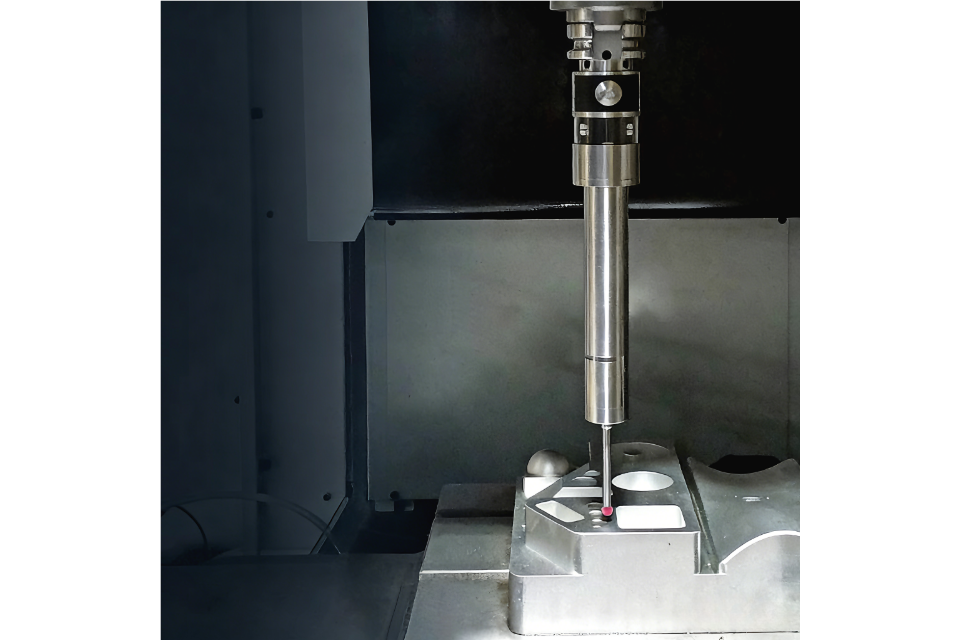
В цехе контроль - это не просто задача отдела качества, это часть процесса обработки. Рабочие процессы измерений Siemens позволяют:
Идея проста: используйте свой станок как резец и как измерительный прибор, чтобы каждая деталь проверялась в контексте, а не отправлялась в отдельную метрологическую лабораторию. Вот что значит “контроль на станке” - и это большой выигрыш в производительности.
Узнайте больше о решениях Siemens для измерений с ЧПУ cnc-probe.
Вместо того чтобы рассматривать датчик как просто причудливый прибор для поиска краев, Siemens интегрирует его непосредственно в рабочий процесс:
Перед началом резки датчик может произвести измерение:
Такая проверка перед обработкой дает уверенность в том, что деталь находится там, где считает программа ЧПУ, что сокращает количество брака и переделок.
После того как деталь была обработана, можно приступить к измерениям на станке:
Только что сошедший с инструментальной траектории станок может в режиме реального времени сообщить вам, соответствует ли деталь спецификации. Это экономит время и позволяет избежать неожиданностей в дальнейшем процессе.
Узнайте больше о модульном контактном датчике с ЧПУ cnc-probe.
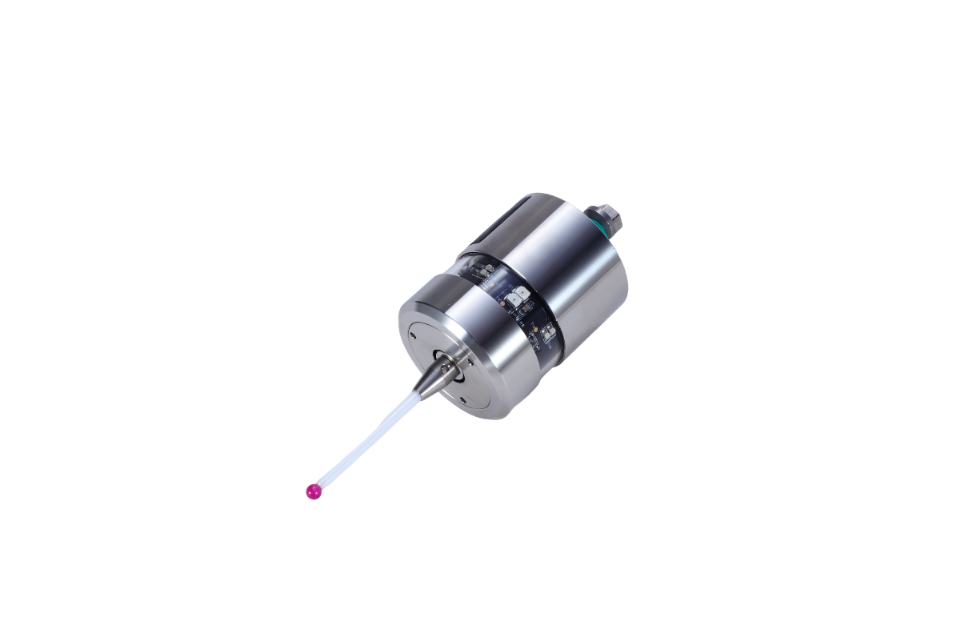
Одним из наиболее мощных аспектов рабочих процессов измерений Siemens является то, что рабочий процесс не является статичным. Если измерение выявляет отклонения - в креплении, размере заготовок или выравнивании станка, - рабочий процесс может:
Именно в этом случае зондирование на машине становится интеллектуальной проверкой, а не простым срабатыванием стоп-триггера.
Представьте себе партию деталей, в которой размер исходного материала немного отличается от детали к детали - это характерно для литья или нестандартных заготовок. Если вы режете по фиксированной программе без проверки фактического запаса:
При использовании системы контроля Siemens на станке ваш рабочий процесс может выглядеть следующим образом:
Таким образом, вы получаете процесс обработки, основанный на измерениях, а не на догадках.
Изучите проводной задатчик оси Z cnc-probe.
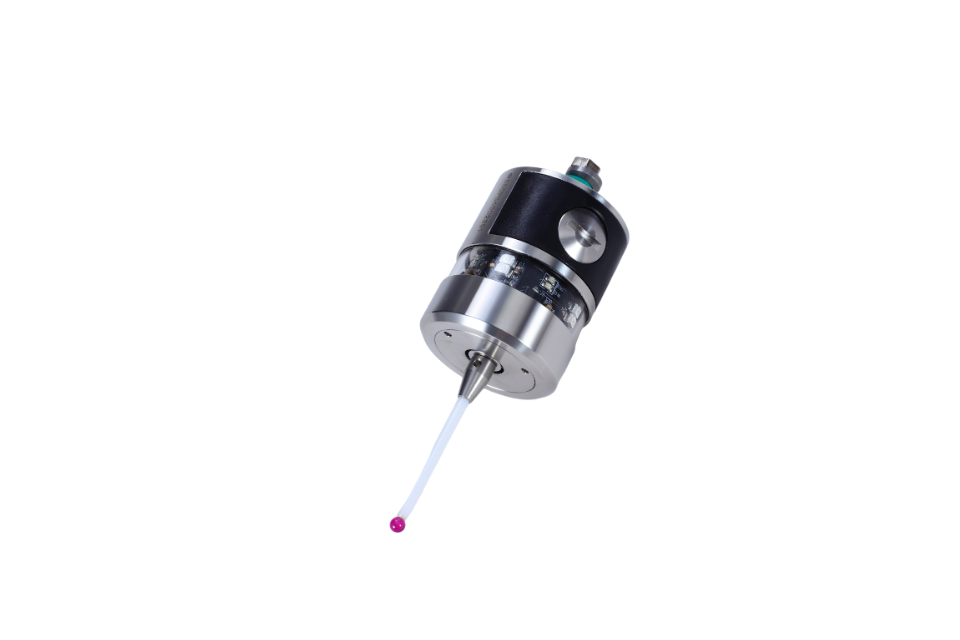
Для того чтобы любой цикл проверки работал хорошо, необходимо доверять самому датчику. Это начинается с хорошей калибровки:
В документации Siemens по циклам измерений (например, для систем управления 840D sl / 828D) подчеркивается, что калибровка датчика является необходимым условием для точных измерительных операций. Это не одноразовая задача - калибровка гарантирует, что зарегистрированные точки контакта датчика действительно отражают физическую реальность проверяемой детали.
Подробнее о высокоточных измерениях с помощью датчиков с ЧПУ cnc-probe.
Вот краткое описание того, как обычно протекает рабочий процесс контроля с помощью измерительных приборов на системах, оборудованных Siemens:
Такой структурированный подход ставит датчик в центр как настройки, так и проверки качества, а не просто как одноразовый инструмент для запуска.
Узнайте больше о наших инфракрасных контактных датчиках для ЧПУ cnc-probe.
По сравнению с общими описаниями типа “сенсорный датчик останавливается здесь”, рабочие процессы измерений Siemens:
Это не просто отдельные остановки датчика - это точки принятия решений в процессе обработки, основанные на данных.
Узнайте больше о технологии зондирования Siemens cnc-probe.
Контроль в цехе - это больше не просто проверка детали по факту. С рабочими процессами измерений Siemens контроль становится движущим фактором в процессе обработки:
Зондирование становится частью логики обработки, а не просто дополнением.
Если раньше вы рассматривали наладку, обработку и контроль как отдельные этапы, то рабочие процессы измерений на оборудовании Siemens размывают эти границы в хорошем смысле. Контроль становится:
Это будущее цеховой обработки - не просто изготовление деталей, а уверенное изготовление деталей.