Поговорите с нами, получите решение за 20 минут
Пожалуйста, дайте нам знать любые требования и специфические запросы, тогда мы выработаем решение в кратчайшие сроки и вышлем его бесплатно.
Пожалуйста, дайте нам знать любые требования и специфические запросы, тогда мы выработаем решение в кратчайшие сроки и вышлем его бесплатно.
Если вы когда-нибудь стояли перед фрезером с тисками, полными деталей, и часами, которые уже опаздывают, вам знакомо это чувство: вы просто хотите найти свой ноль быстро, точно и повторяемо, не сомневаясь в себе.
В этом блоге мы рассмотрим, чем на самом деле хорош каждый инструмент, где каждый из них может вас укусить, и как решить, что и когда использовать - для каждой конкретной работы.
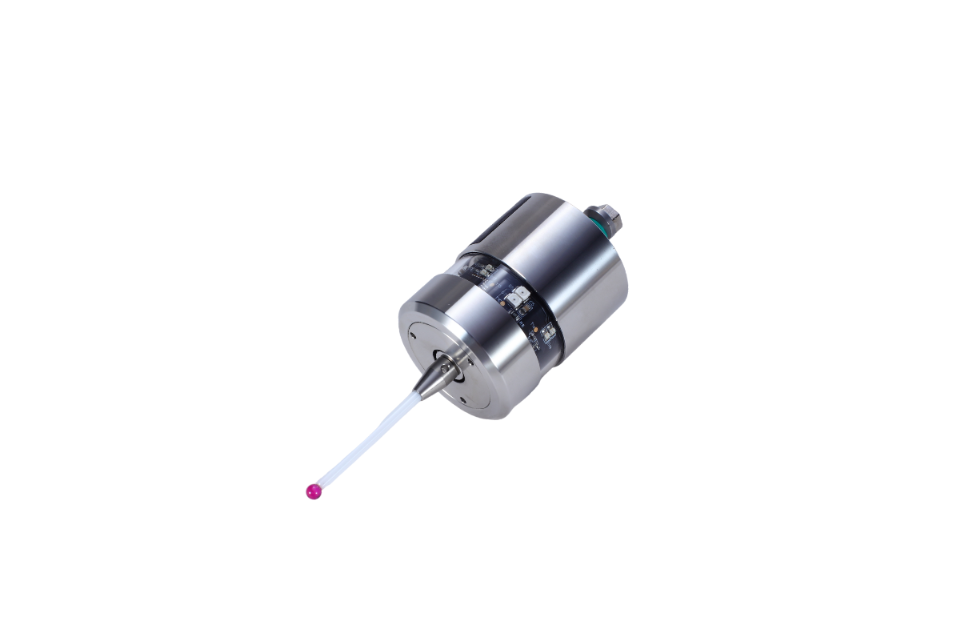
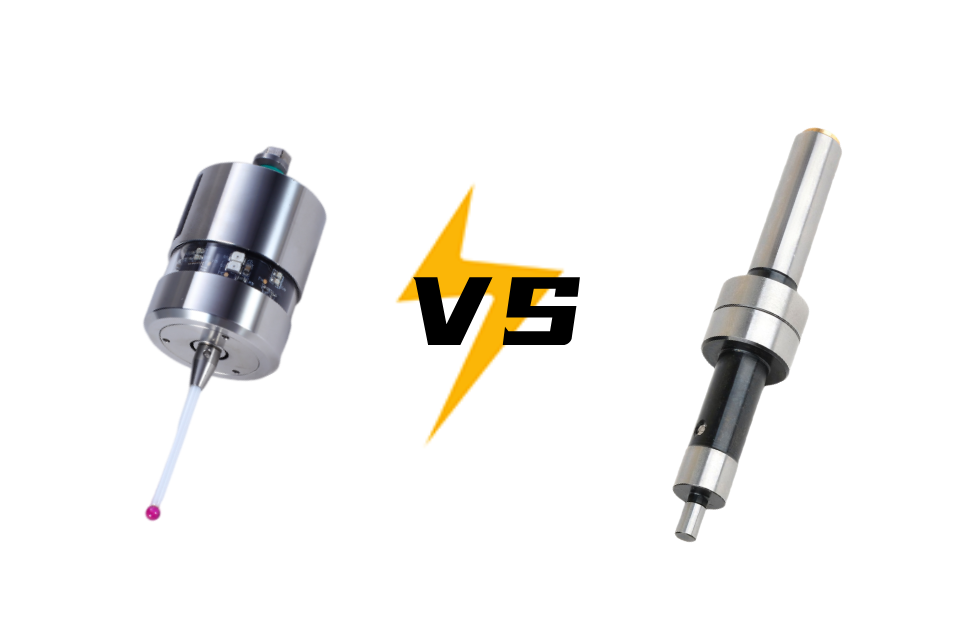
Контактный датчик ЧПУ - это датчик, который позволяет станку “чувствовать” поверхность и регистрировать точное место контакта. Эта точка контакта становится измеренными данными, которые может использовать система управления:
Считайте, что вы превратили свой ЧПУ в измерительный прибор, который может автоматически обновлять координаты.
Узнайте больше о модульных контактных датчиках с ЧПУ cnc-probe.
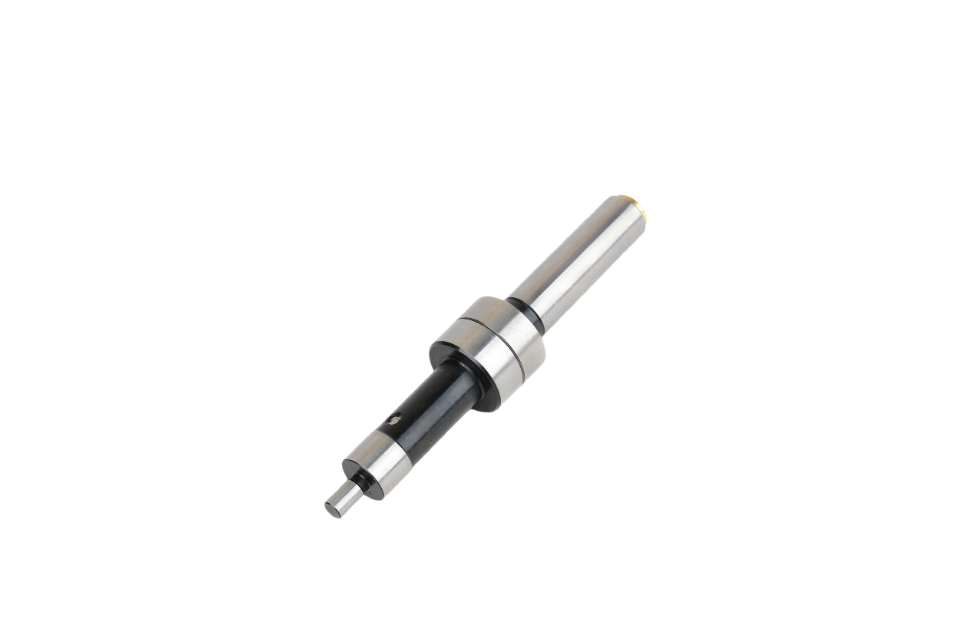
Кромкоискатель - это ручной или полуручной инструмент (механический или электронный), используемый для определения местоположения кромки по “пинку” или сигналу при соприкосновении с заготовкой. Обычно он используется в:
Краеискатели просты, быстры, дешевы и удивительно точны - при правильном использовании.
Узнайте больше о лазерных станках с ЧПУ cnc-probe.
Большинство людей сравнивают их именно так:
“Зонды более точны. Краеискатели дешевле”.”
Это не так уж и плохо, но в этом случае упускается более глубокий смысл:
Краеискатель - это инструмент для работы человека: вы - мозг измерителя, машина - мускулы.
Датчик - это инструмент машинной обработки: машина измеряет, записывает и применяет результаты с минимальной интерпретацией со стороны человека.
Поэтому выбор оптимального варианта часто зависит не столько от допусков, сколько от стиля настройки, потребностей в повторяемости и от того, сколько раз вы будете выполнять одну и ту же операцию.
Качественный механический кромкоискатель в условиях практического магазина обычно обеспечивает точность от ±0,0005″ до ±0,001″:
Но повторяемость связана с согласованностью действий человека. Если три оператора найдут один и тот же край, вы часто увидите три немного отличающихся нуля.
Суперспособность хорошей системы зондирования заключается не только в том, что она может быть точной. А в том, что она стабильно точна и может повторять одну и ту же процедуру каждый раз:
Это означает, что в вашей системе координат меньше “индивидуальности оператора”.
Ознакомьтесь с нашим проводным наладчиком инструментов с ЧПУ по оси Z cnc-probe.
Большинство магазинов открывают для себя эту профессию с трудом:
Если вы делаете одну деталь, с грубым допуском, простая установка тисков:
Выполнено.
Зондирование дает о себе знать, когда:
Потому что зондирование может:
Чем больше раз вы повторяете установку, тем больше выигрывает зондирование.
Проверьте проводные контактные датчики с ЧПУ cnc-probe.
Кромкоискатели по-прежнему занимают свое место - даже в современных цехах с ЧПУ.
Используйте искатель кромок, когда:
Ваша машина не готова к работе с датчиком:
Вам нужен дешевый и долговечный метод “достаточно хорошо”:
Вы учите основам:
Ознакомьтесь с нашими высокоточными измерительными датчиками с ЧПУ cnc-probe.
Используйте зонд, когда:
Посетите наши продукты для датчиков с ЧПУ cnc-probe.
Если вам нужен самый простой и быстрый способ найти кромку для простой работы, кромкоискатель по-прежнему остается одним из лучших инструментов, которые когда-либо были изобретены - дешевый, надежный и эффективный.
Но если вам нужна повторяемость, автоматизация, привязка к конкретным точкам, коррекция центровки и уверенность на всех этапах производства, датчик ЧПУ изменит ваш подход к работе. Это не просто измерительный прибор - это модернизация рабочего процесса.
Используйте искатель края, когда оператор является измерительной системой.
Используйте зонд, когда процесс должен быть измерительной системой.