Talk to us,Get a Solution in 20 minutes
Please let us know any requirements and specific demands,then we work out the solution soonest and send back it for free.
Please let us know any requirements and specific demands,then we work out the solution soonest and send back it for free.
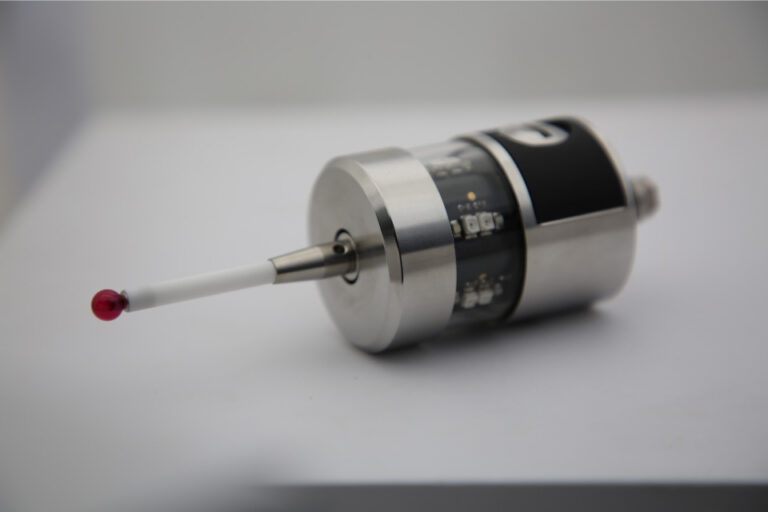
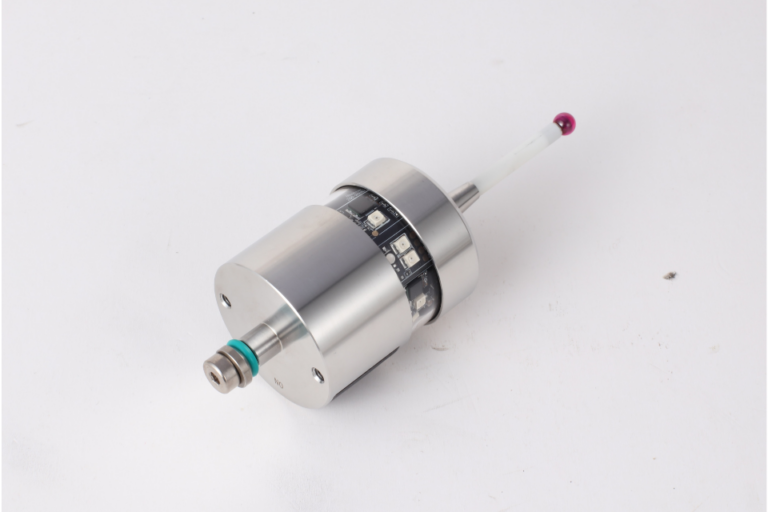
If you’ve ever watched a CNC machine “tap” a part a few times before machining—or pause mid-cycle to check a bore—you’ve seen probing in action. A touch probe (often called a workpiece probe) is a high-precision sensor mounted in the spindle (or turret) that touches the workpiece with a stylus ball to capture real 3D coordinates inside the machine, then feeds that data back to the CNC so it can set work offsets, align the part, compensate drift, or verify dimensions in-cycle.
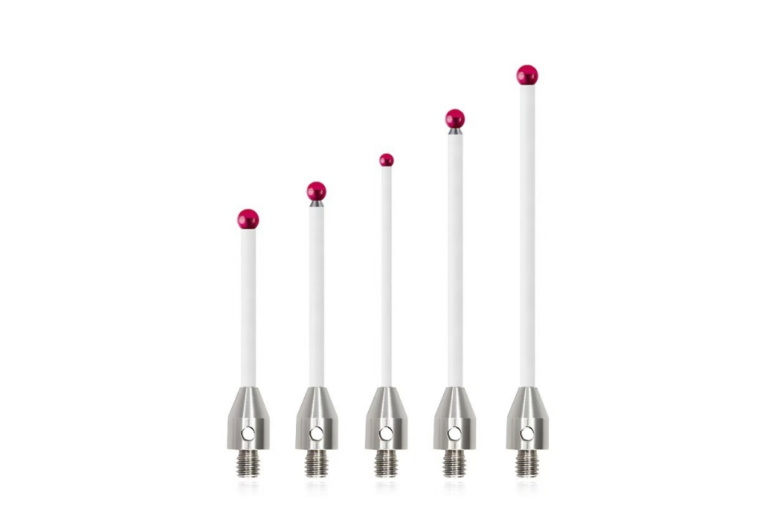
If you’ve ever blamed your CNC touch probe for “random” measurement errors, there’s a good chance the real culprit is much simpler: the stylus you chose (or inherited) isn’t matched to the job.
There’s a moment in every CNC job where the part is clamped, the tool is loaded, the program is ready… and you pause because you know the truth:
If your XYZ zero is wrong, everything after it is just expensive artwork.
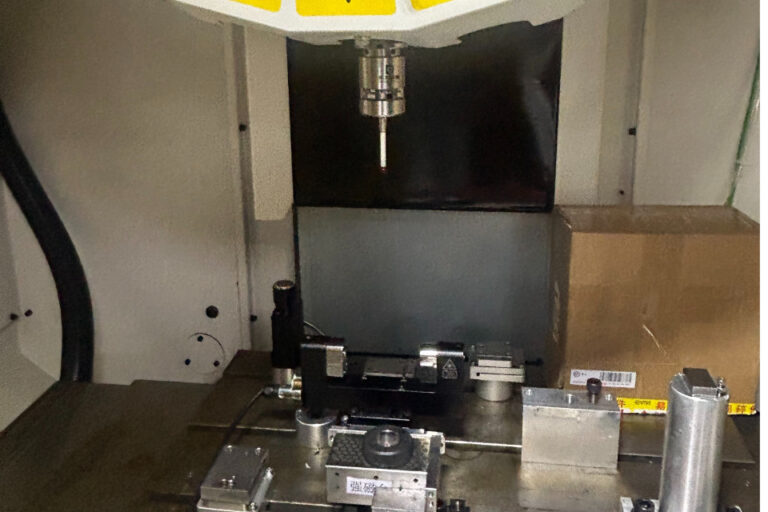
Finding the true center of round stock is one of those foundational setup tasks in CNC machining that can quietly wreck a part’s accuracy if done poorly. You might have used edge finders, manual indicators, or traditional center finders — and those tools still have their place. But a modern CNC probe can do this in a way that’s faster, more consistent, and dramatically less dependent on operator feel.
In this blog, we’ll break down why probing routines for center finding matter, how they’re better than old methods, and exactly what’s happening when you use them to find the center of round stock.
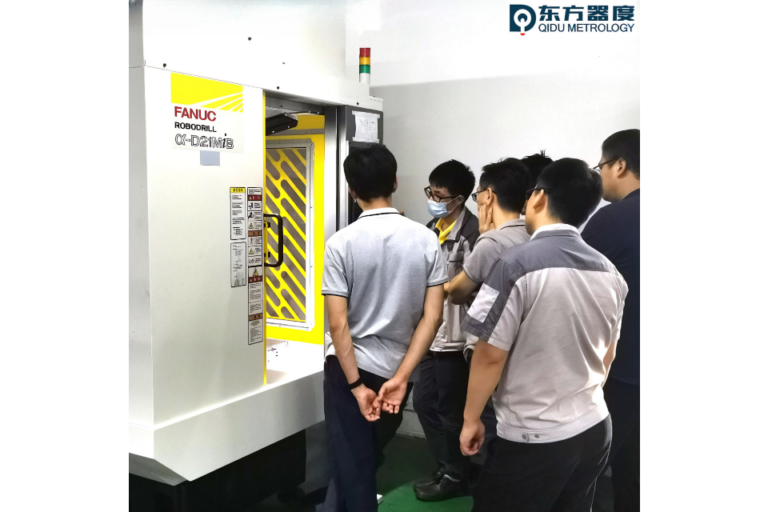
Probing on a CNC isn’t just a “luxury automation feature.” It’s a way to turn your machine into a measuring device — one that can find features, set offsets, and verify dimensions automatically. On Fanuc controls, probing is particularly powerful because the control integrates probing cycles directly into its logic and supports advanced routines for work and tool setup.
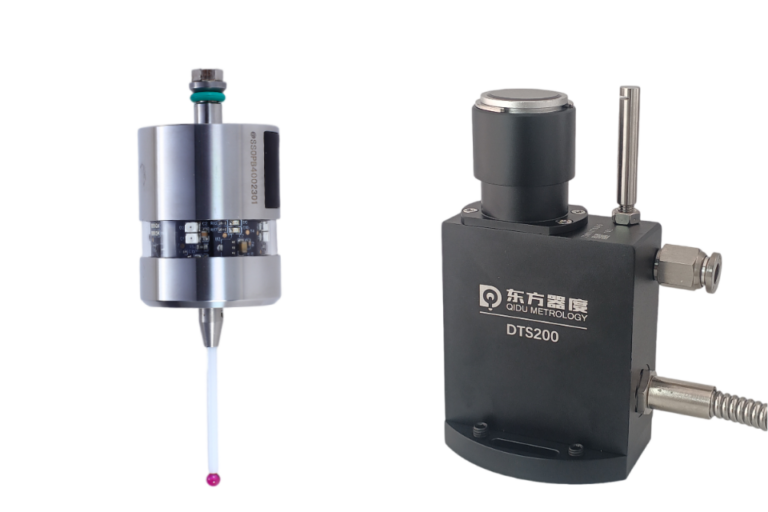
We often talk about probes and tool setters like they’re interchangeable, or think everyone inherently knows the difference. But on the shop floor, that assumption can lead to confusion — especially when you’re trying to automate setups, reduce scrap, or move toward lights-out machining.
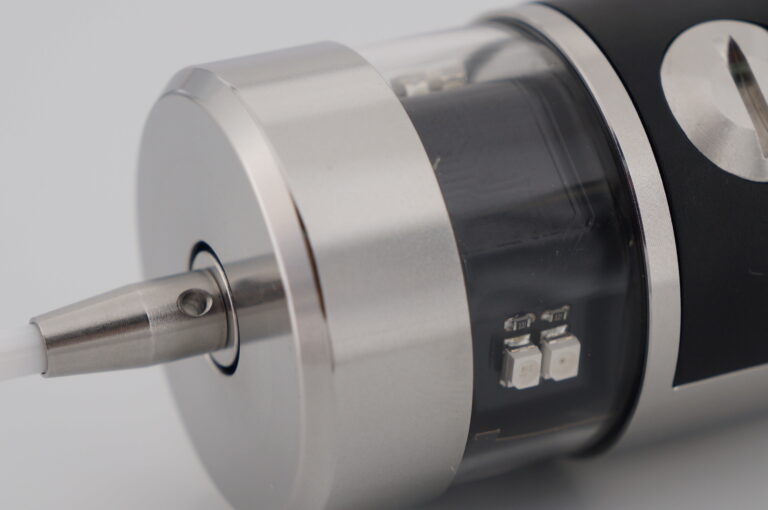
If you’ve spent any time on a CNC mill, you know this moment: you’re about to start a job, your vise is bolted down… but is it actually square to the machine axes? You could spend time with indicators, feelers, stones, and edge finders — and some seasoned machinists can get very good with those tools — but there’s a smarter way that combines confidence, repeatability, and automation: using a CNC probe to square your vise.

A CNC probe isn’t just a fancy sensor you occasionally use to set up workpieces. When properly calibrated, it becomes one of the most powerful tools in your shop — saving time, reducing scrap, improving first-article success, and making setup and inspection predictable instead of guesswork.