Talk to us,Get a Solution in 20 minutes
Please let us know any requirements and specific demands,then we work out the solution soonest and send back it for free.
Please let us know any requirements and specific demands,then we work out the solution soonest and send back it for free.
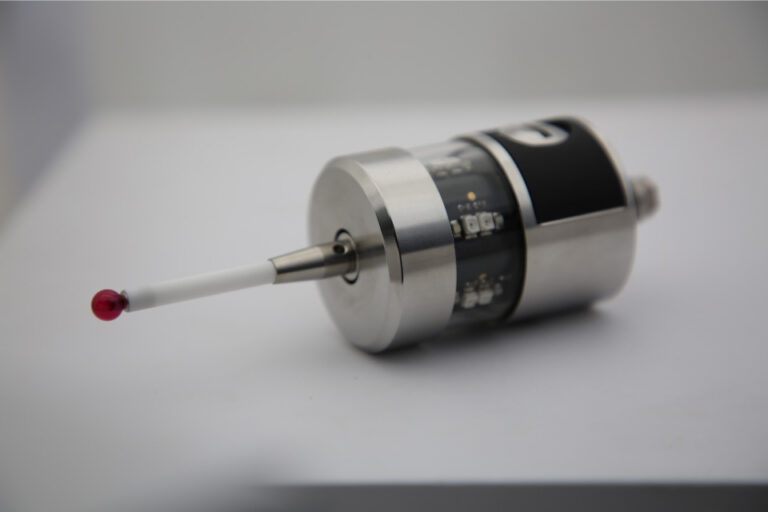
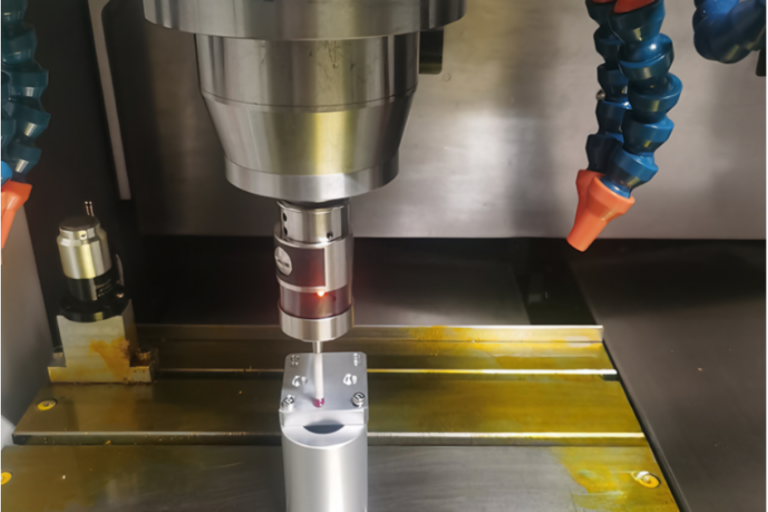
If you’ve ever watched a CNC machine “tap” a part a few times before machining—or pause mid-cycle to check a bore—you’ve seen probing in action. A touch probe (often called a workpiece probe) is a high-precision sensor mounted in the spindle (or turret) that touches the workpiece with a stylus ball to capture real 3D coordinates inside the machine, then feeds that data back to the CNC so it can set work offsets, align the part, compensate drift, or verify dimensions in-cycle.
If probe measurements ever “mysteriously” shift between morning and afternoon…
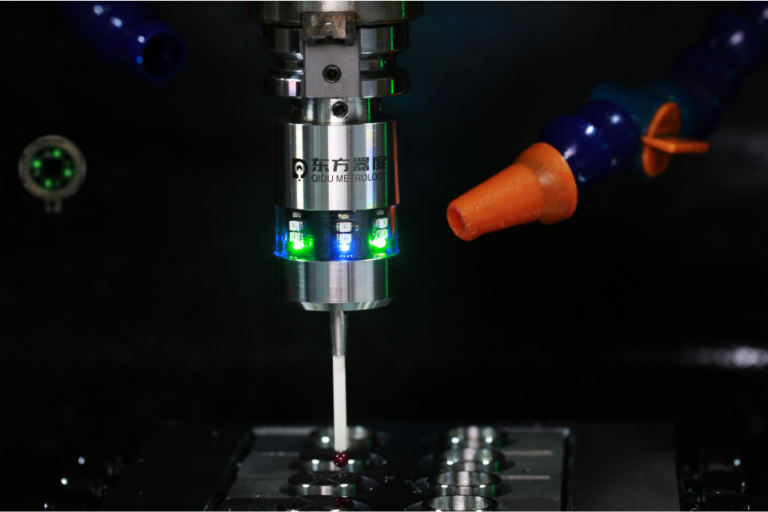
CNC touch probe is a measuring tool that attaches to the spindle of CNC machine. It allows for automatic measurement of parts during the machining process. Touch probe works by making contact with the surface of the workpiece, and sending a signal back to the CNC control system when it touches something, recording this data for future reference.
There’s a moment in every CNC job where the part is clamped, the tool is loaded, the program is ready… and you pause because you know the truth:
If your XYZ zero is wrong, everything after it is just expensive artwork.
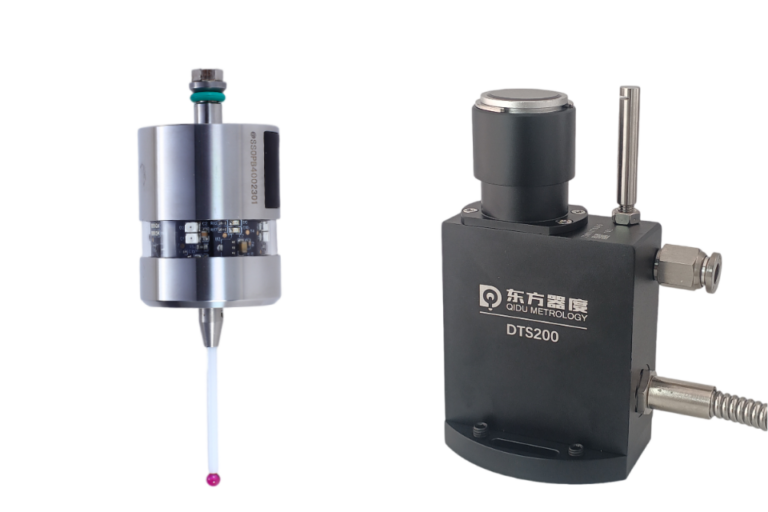
We often talk about probes and tool setters like they’re interchangeable, or think everyone inherently knows the difference. But on the shop floor, that assumption can lead to confusion — especially when you’re trying to automate setups, reduce scrap, or move toward lights-out machining.
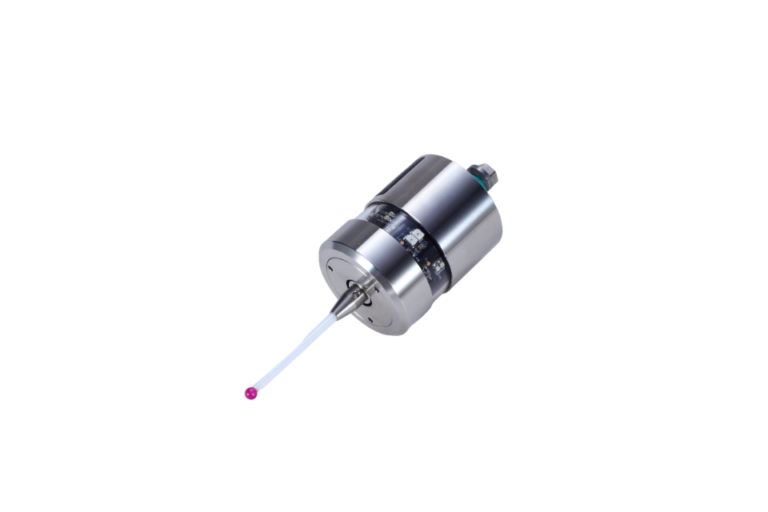
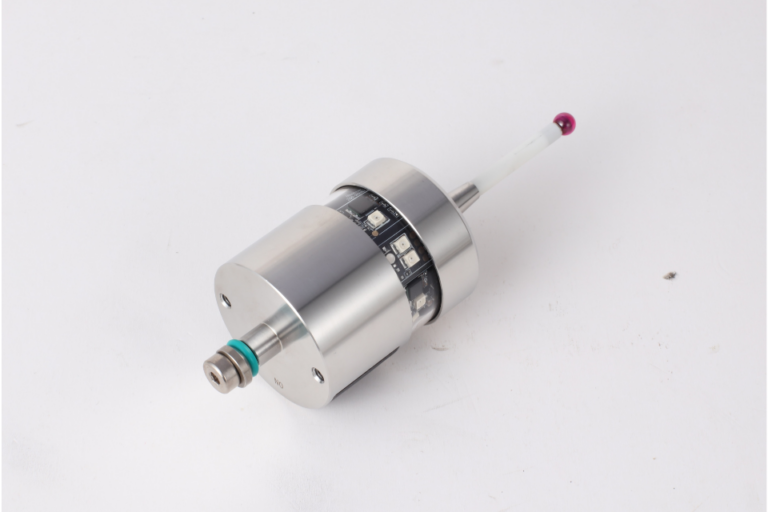
A CNC probe is a precision switch with a stylus (usually a ruby-tipped ball) that the machine uses to locate, measure, and verify parts and fixtures. It tells the control exactly where things are so your programs start from the right place—and stay there.