Talk to us,Get a Solution in 20 minutes
Please let us know any requirements and specific demands,then we work out the solution soonest and send back it for free.
Please let us know any requirements and specific demands,then we work out the solution soonest and send back it for free.
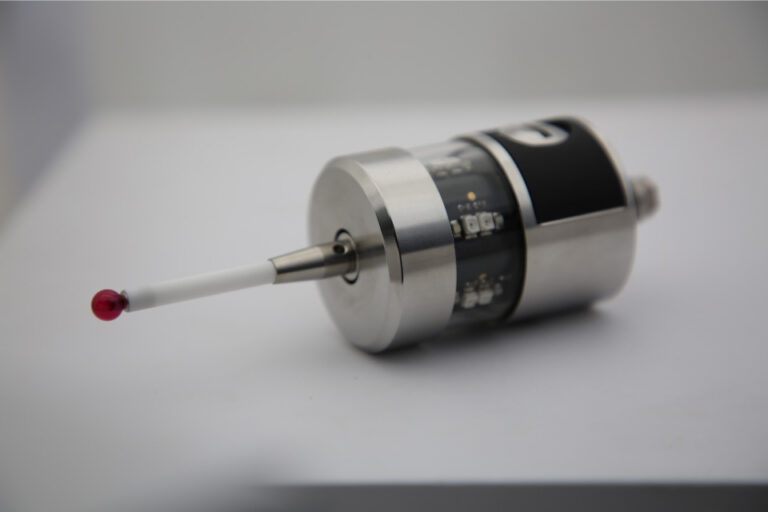
If you’ve ever watched a CNC machine “tap” a part a few times before machining—or pause mid-cycle to check a bore—you’ve seen probing in action. A touch probe (often called a workpiece probe) is a high-precision sensor mounted in the spindle (or turret) that touches the workpiece with a stylus ball to capture real 3D coordinates inside the machine, then feeds that data back to the CNC so it can set work offsets, align the part, compensate drift, or verify dimensions in-cycle.
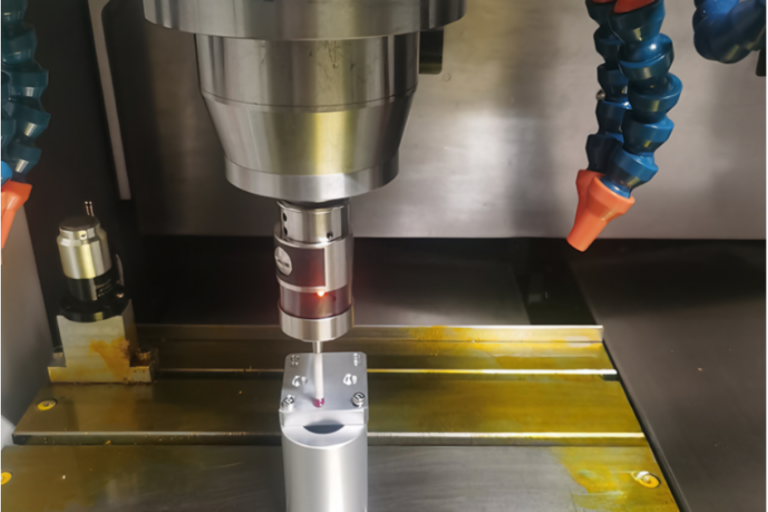
If probe measurements ever “mysteriously” shift between morning and afternoon…
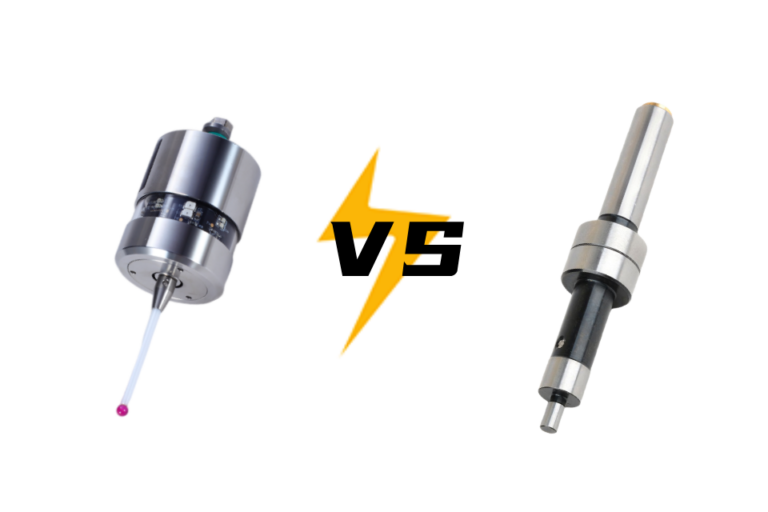
If you’ve ever stood in front of a mill with a vise full of parts and a clock that’s already running late, you know this feeling: you just want to find your zero quickly, accurately, and repeatably—without second-guessing yourself.
This blog breaks down what each tool is actually good at, where each one bites you, and how to decide—job by job—what to use and when.
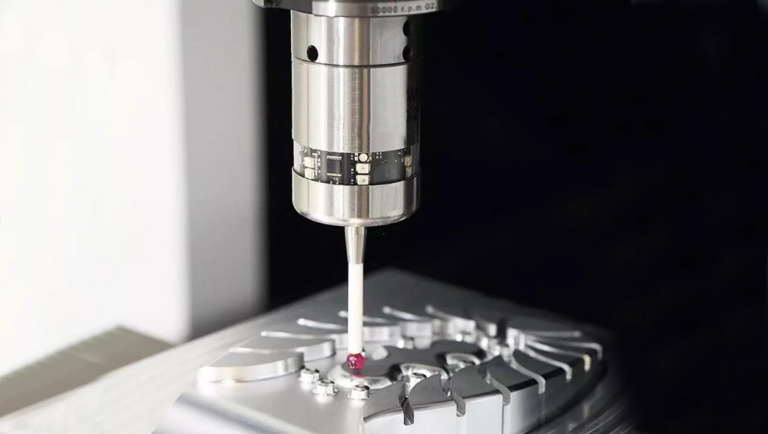
Finding a reliable 0,0,0 on your CNC — the point where X, Y, and Z all meet — is one of the first real steps to accurate machining. Whether you’re doing one-offs or production runs, nailing the zero means your program will hit features where it should. Traditionally, operators used edge finders, indicators, or simple visual alignment. But with a touch probe and the right approach — using plates, pucks, and probing routines — you get accuracy, repeatability, and confidence every time.
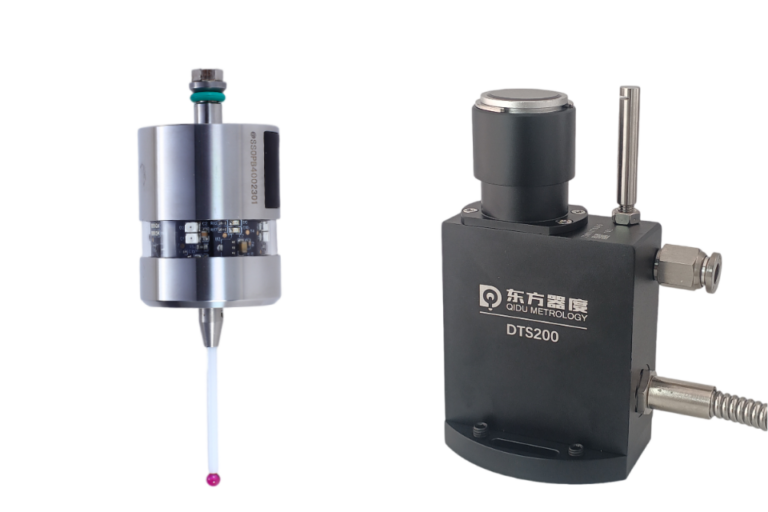
We often talk about probes and tool setters like they’re interchangeable, or think everyone inherently knows the difference. But on the shop floor, that assumption can lead to confusion — especially when you’re trying to automate setups, reduce scrap, or move toward lights-out machining.
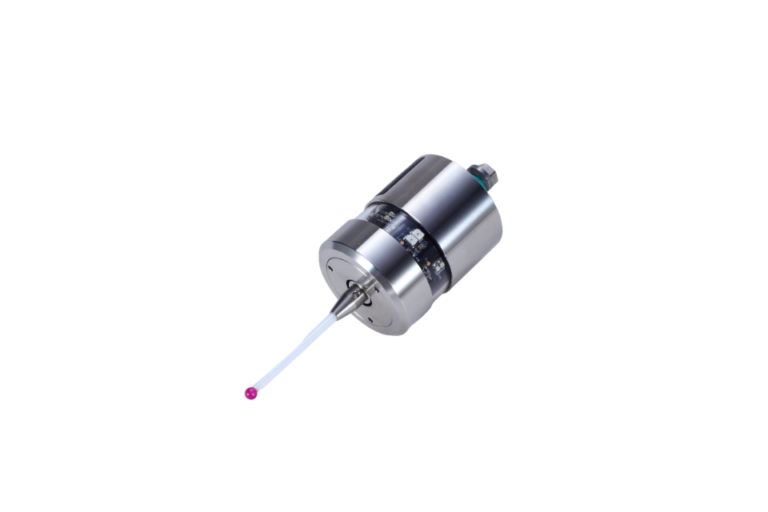
A CNC probe is a precision switch with a stylus (usually a ruby-tipped ball) that the machine uses to locate, measure, and verify parts and fixtures. It tells the control exactly where things are so your programs start from the right place—and stay there.
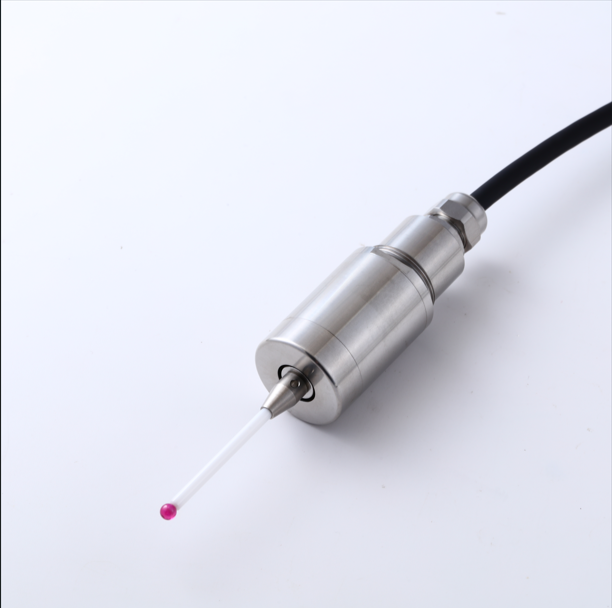
A CNC touch probe is a precision switch mounted in the spindle (or on the table) with a stylus. When the ball touches a surface, the probe sends a clean, repeatable trigger to the control.